
Savannah iris
Iris savannarum
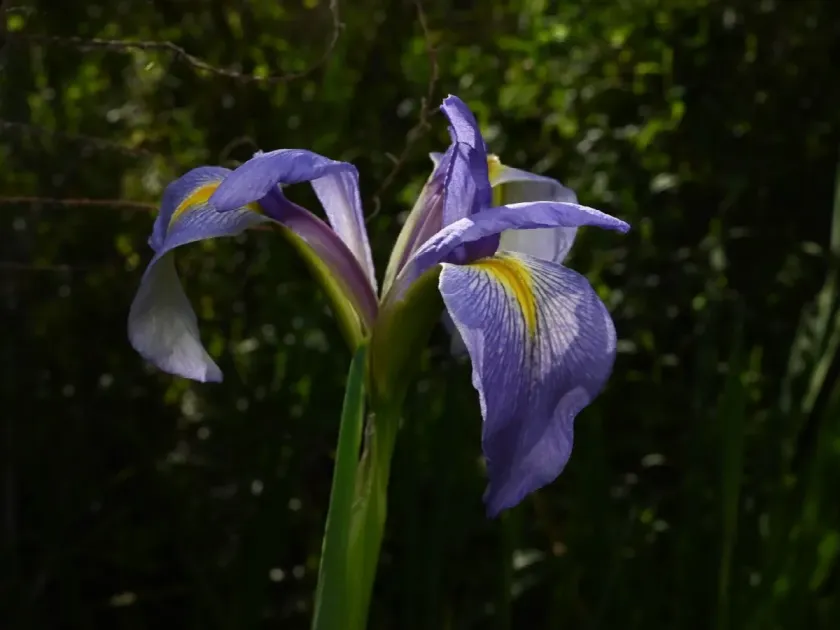
Description
Growing requirements
The savannah iris (Iris savannarum), belonging to the Iridaceae family, is a unique species adapted to specific moisture and lighting conditions. Unlike many common garden irises, this species favors open savannah-type spaces, requiring excellent root system aeration and abundant direct sunlight.
Botanically, the plant features a distinct rhizome structure that allows it to store moisture, facilitating survival during dry periods characteristic of its natural habitat. The leaves of the savannah iris possess a dense, leathery texture that minimizes water evaporation, serving as a vital evolutionary adaptation.
The culture thrives in light, well-drained sandy or loamy soils with a neutral to slightly acidic pH. It is critical to ensure that no water stagnation occurs around the rhizome, as this can trigger bacterial rot, especially during cooler temperature intervals.
Optimal development of the savannah iris requires a climate with a clear growing season, accompanied by warm temperatures and high UV intensity. The plant exhibits moderate resilience to diurnal temperature fluctuations, although it necessitates protection from direct freezing winter winds.
Cultivation practices include regular soil aeration to improve gas exchange and controlled watering during the active growth phase. Applying mineral fertilizers with low nitrogen content before the blooming stage helps strengthen flower stems and extends the plant's ornamental period.
Main diseases and pests
The primary threat to this species is pathogenic fungi of the genus Fusarium, which cause rhizome rot when humidity levels are not managed correctly. Prevention involves disinfecting planting material and maintaining a strict drainage regime within the plot.
Among pests, the larvae of the iris fly cause the most damage by targeting flower buds and preventing healthy blooming. Regular inspections during the spring allow for the early detection of infested areas and the application of appropriate biological controls.
Thrips frequently attack the leaves of the savannah iris during hot, dry weather, sucking the sap and causing leaf deformation. Controlling this pest is possible through the use of systemic insecticides or soapy water solutions during the initial stages of infestation.
In high-moisture soil conditions, the culture is susceptible to heterosporium leaf spot, which manifests as dark markings on the foliage. Combating this disease requires removing infected plant parts and applying copper-based treatments to limit spore dispersal.
Improper selection of crop predecessors can lead to the accumulation of soil-borne pathogens. It is highly recommended to follow crop rotation practices and avoid planting this species in areas where members of the Iridaceae family were previously grown to reduce the risk of nematode infection.