
Iris sari
Iris sari
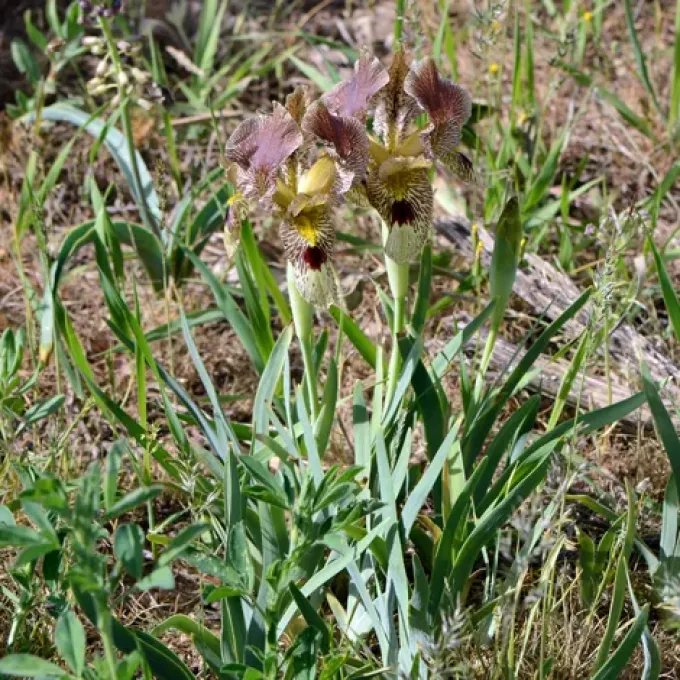
Description
Growing requirements
Iris sari is a rare and highly ornamental perennial herbaceous species belonging to the Iridaceae family. As a member of the oncocyclus section, it possesses distinct biological characteristics that require specialized horticultural management.
The native distribution area of this species encompasses regions of Turkey and Lebanon. It typically thrives in rocky slopes, arid steppes, and mountain areas, where the climate is characterized by distinct seasonality and hot, dry summers.
For successful cultivation, Iris sari demands soil with excellent drainage. Excess moisture in the root zone is extremely detrimental; therefore, sandy or gritty soils with a neutral to slightly alkaline pH are considered ideal for healthy growth.
This species is highly heliophilic and heat-demanding. It requires maximum exposure to direct sunlight throughout the entire growing season to ensure the proper ripening of the rhizomes, which is essential for future blooming cycles.
A critical horticultural practice for this species is providing a dry summer dormant period. After the flowering phase concludes, the rhizomes must be kept in warm, dry soil to mimic the natural mediterranean conditions of their habitat.
Main diseases and pests
The most significant threat to Iris sari is soil waterlogging, which often leads to rhizome rot. Fungal pathogens, including Fusarium and various soft rot bacteria, can rapidly cause plant decline if drainage requirements are not strictly met.
Common pests include the iris fly larvae, which target developing flower buds, and bulb mites, which can proliferate in poorly ventilated, overly humid conditions, causing severe damage to the root system.