
Sambucine iris
Iris sambucina
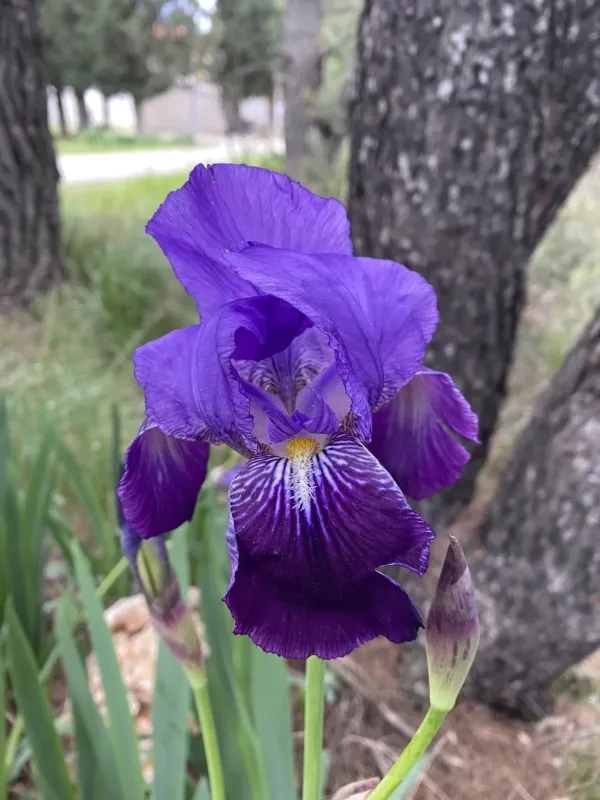
Description
Sowing dates
The propagation of the Sambucine iris is typically performed by dividing the rhizomes. The optimal time for this activity is late summer or early autumn, immediately after the plant has finished its flowering period and entered a dormant stage.
When planting the divisions, it is essential to keep the upper part of the rhizome slightly exposed above the soil surface. Proper drainage at the planting site is crucial to prevent the succulent rhizomes from rotting during the wet season.
A spacing of 30 to 40 centimeters between plants should be maintained. This distance facilitates sufficient airflow, which is a key factor in preventing fungal diseases in the dense foliage of the iris plants.
Seed propagation is also possible but is usually reserved for breeding purposes. Seeds require a period of cold stratification; therefore, they should be sown outdoors in late autumn to germinate naturally the following spring.
The species is known for its vigor and ability to establish quickly. However, to maintain the health and flowering quality of the display, the clumps should be lifted and divided every four to five years.
Growing requirements
The Sambucine iris (Iris sambucina) belongs to the Iridaceae family. It is a perennial herbaceous plant named for its distinct floral scent, which is often described as resembling that of elderflower.
These irises thrive in locations with full sun exposure. While they can tolerate partial shade, maximum flowering performance is achieved when the plants receive at least six hours of direct sunlight daily.
The soil requirements focus on fertility and drainage. A neutral or slightly acidic, well-drained loam is ideal. Heavy clay soils should be amended with organic matter and grit to ensure roots remain healthy.
Watering should be moderate throughout the growing season. It is vital to avoid overhead watering, as water trapped in the leaf fans or at the base of the plant can trigger bacterial infections.
This species is highly cold-hardy, making it suitable for a wide range of temperate climates. It does not require special winter protection in most areas, provided the soil is not waterlogged during the dormant months.
Main diseases and pests
The most common and severe threat to this iris is bacterial soft rot, which manifests as a mushy, foul-smelling decay of the rhizome. It is often triggered by overly damp soil and high humidity during the spring.
Fungal leaf spot diseases are also prevalent, causing unsightly brown lesions on the foliage. Proper sanitation, including the removal of dead leaves in late autumn, helps reduce the spread of spores in the garden.
The iris borer is a significant pest that tunnels into the rhizomes, leading to severe structural damage and increased susceptibility to rot. Manual removal and systemic insecticides are the standard control methods.
Aphids can also cluster on the developing flower buds, sucking sap and causing deformity. They should be addressed at the first signs of infestation using horticultural soaps or targeted insecticides.
Maintaining proper plant density and ensuring the site is not overcrowded will significantly help to reduce the incidence of both pests and disease outbreaks within your iris beds.