
Russian iris
Iris ruthenica
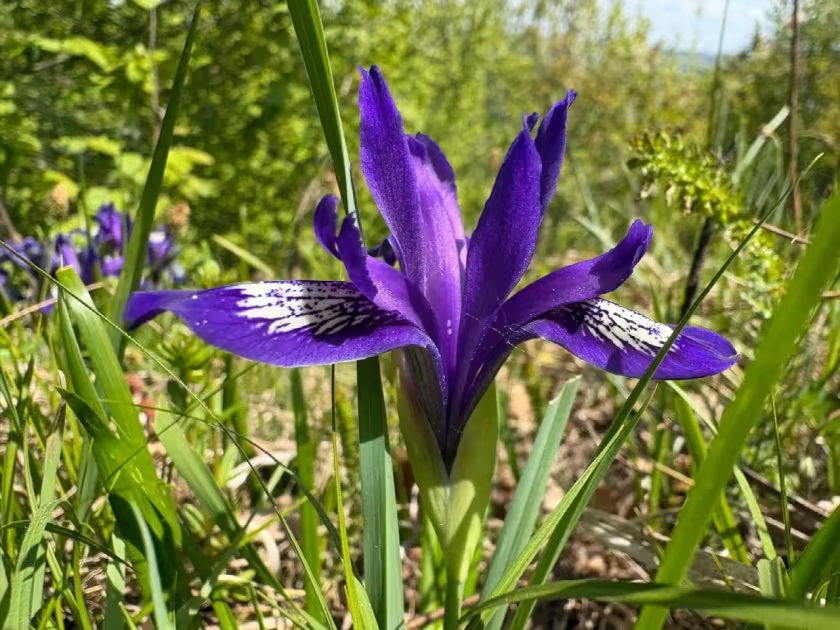
Description
Sowing dates
Propagation of the Russian iris can be achieved through seeds or vegetative division. Seeds have a tough coat, so cold stratification for several months is recommended to break dormancy and ensure successful germination.
Sowing in autumn is generally preferred as it allows the seeds to undergo natural stratification cycles over the winter. If sowing in the spring, pre-treating the seeds is critical for achieving a uniform stand.
Vegetative division is the most reliable method for maintaining the characteristics of the plant. This is done during the dormant period, typically in late summer, by splitting the rhizomes into sections with healthy foliage.
When planting, it is essential to ensure the rhizome is not buried too deeply. Shallow planting prevents rot and allows the plant to establish itself quickly in the surrounding substrate.
Newly divided plants should be watered consistently during the first weeks until they are firmly established. Once mature, the Russian iris is highly adaptable and requires minimal care.
Growing requirements
The Russian iris belongs to the Iridaceae family and is native to mountainous and steppe regions. It is well-adapted to harsh climates, showing excellent winter hardiness and resilience to temperature fluctuations.
This species thrives in sunny, open locations where it can receive abundant light throughout the day. While it can survive in partial shade, full sun is necessary for vigorous growth and maximum flower production.
The soil should be well-draining, as the Russian iris is highly susceptible to root rot caused by standing water. Sandy or gritty loam soils with a neutral pH provide the best environment for root development.
Although it is a drought-tolerant plant, moderate irrigation during the active growing season will result in healthier foliage and more robust blooms. Excess fertilization should be avoided to prevent leggy growth.
- Excellent drainage is mandatory.
- Requires at least 6 hours of direct sun.
- Avoid high-nitrogen fertilizers.
- Well-aerated soil structure.
Main diseases and pests
Fungal diseases, such as leaf spot (heterosporiosis), are common threats. Infected leaves should be removed and destroyed to prevent the spread of spores, followed by the application of copper-based fungicides.
Bacterial soft rot can occur in the rhizome if the soil remains excessively damp or if the rhizome is wounded. Maintaining dry, airy conditions around the base of the plant is the best preventive measure.
Pests like iris borers and thrips are typical problems that can damage flower buds and leaves. Inspecting the plants regularly for signs of infestation is crucial for early intervention.
Soil-borne nematodes can hinder root growth and affect the overall health of the plant. Using clean, pathogen-free soil for new plantings is a fundamental step in integrated pest management.
Good garden hygiene, including the removal of dead plant debris and regular weeding, creates an environment that discourages the buildup of pests and diseases over the growing season.