
Iris rossii
Iris rossii
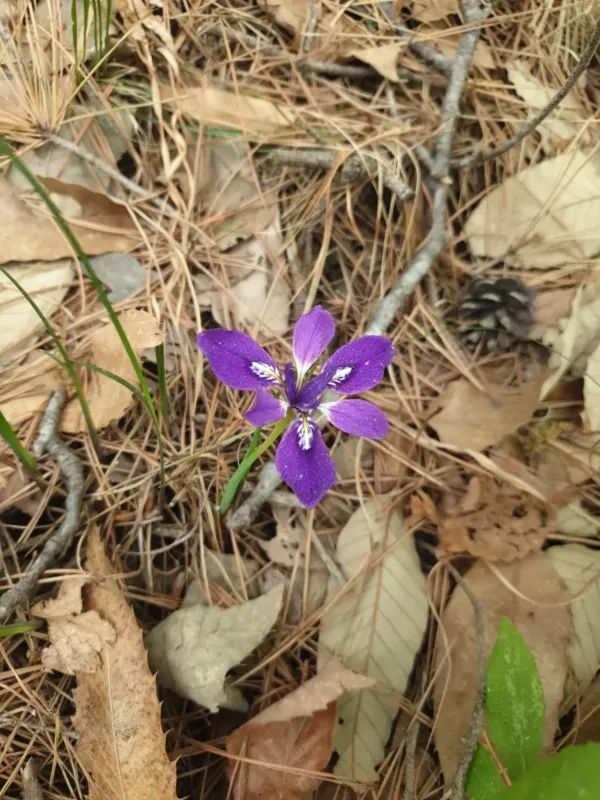
Description
Sowing dates
Sowing seeds of Iris rossii is recommended during the autumn season to allow for natural stratification, which is vital for high germination rates.
In managed environments, seeds should be sown in early spring after undergoing a cold treatment phase in a refrigerator or a cold frame.
A sowing depth of 1–2 centimeters is considered optimal to ensure that the delicate seedlings can successfully emerge through the soil surface.
Vegetative propagation via rhizome division is widely considered the most effective method to maintain specific variety traits and ensure faster maturity.
When dividing rhizomes, ensure each section contains healthy buds and roots, and plant them at a shallow depth to encourage immediate growth.
Growing requirements
Iris rossii belongs to the Iridaceae family and is recognized as a hardy, low-growing perennial suitable for alpine gardens and rockeries.
The plant thrives in sunny locations with well-drained, sandy loam soils that provide excellent aeration for the rhizomatous root system.
Maintaining a neutral or slightly acidic soil pH is essential for the healthy development of this species and prevents nutrient deficiencies.
Adequate moisture is required during the active vegetative growth phase, but it is critical to avoid waterlogging, which can lead to rot.
The species is well-adapted to temperate climates, requiring minimal protection in winter if the soil is properly drained before the first frost.
Main diseases and pests
Soft rot of the rhizomes remains the most significant threat to Iris rossii, typically triggered by excess moisture and heavy, poorly draining soils.
Fungal infections, such as leaf spot, may occur during seasons with high humidity and limited airflow, requiring prompt intervention.
Pests like thrips and iris borers can cause severe damage by feeding on buds and leaves, often leading to stunted plant growth.
Integrated pest management, including regular inspection and the use of appropriate systemic insecticides, is necessary for large-scale maintenance.
Sanitation practices, such as removing dead foliage and preventing overcrowding, are essential to minimize disease outbreaks within the garden.
Harvesting
Seed harvesting should occur in late summer when the seed capsules have turned brown and show initial signs of splitting open.
To ensure high seed quality, collect capsules just before they fully release their contents to prevent uncontrolled scattering on the soil.
For ornamental use, the flowering stalks should be harvested when the color of the petals is fully visible but not yet completely expanded.
Post-flowering maintenance involves removing faded flower stalks to direct the plant's energy toward rhizome storage and root development.
Annual cleaning involves trimming foliage down to a manageable height in late autumn, which helps the plant enter a dormant winter phase safely.