
Iris rosenbachiana
Iris rosenbachiana
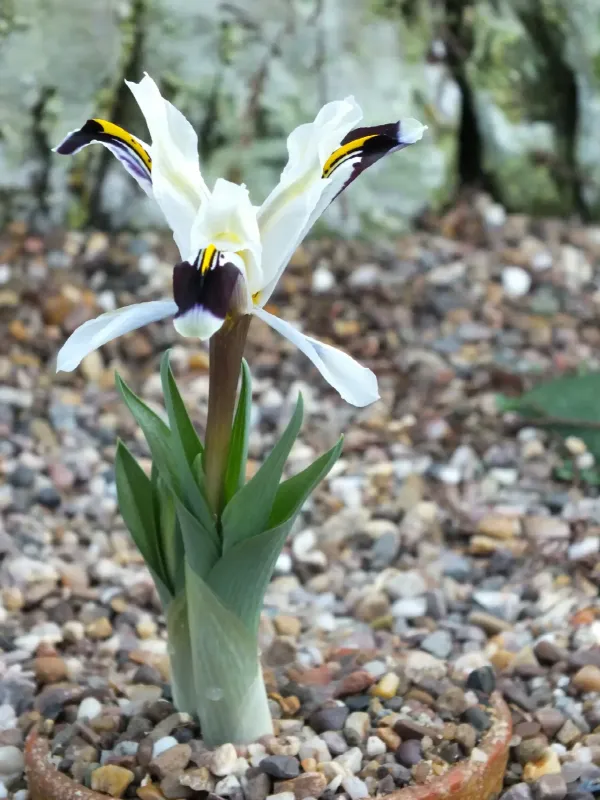
Description
Growing requirements
Iris rosenbachiana is a rare bulbous plant belonging to the Iridaceae family. Native to the mountainous regions of Central Asia, specifically the Pamir-Alay range, it has adapted to survive in harsh alpine environments and rocky slopes.
Botanically, it is classified as a spring ephemeral. The plant features a small bulb and narrow basal leaves, which develop rapidly as soon as the snow melts, allowing the plant to complete its flowering cycle in a short time window.
Successful cultivation requires bright, sunny locations and well-drained, gritty soils. In garden settings, the soil must mimic the arid nature of its native habitat to prevent bulb rot during the summer dormant season.
The climate requirements for this species are strict, demanding a wet, cool spring for active growth and a dry, warm summer to ensure the bulb matures properly. Exposure to excessive moisture during dormancy is highly detrimental.
The primary use of Iris rosenbachiana is in specialist horticulture and alpine gardening. Collectors value it for its early, vibrant, and multi-colored flowers, which make it a distinct addition to rock gardens where drainage can be perfectly controlled.
Main diseases and pests
The main threats to the plant include fungal diseases such as fusarium wilt and gray mold, particularly if the soil remains waterlogged. Ensuring proper soil aeration and avoiding summer irrigation are essential preventative measures.
Pests like onion flies and thrips can cause significant damage to bulbs and emerging foliage. Management of these threats involves monitoring during the early spring growth phase and using appropriate organic or chemical control methods as needed.