
Robust iris
Iris robusta
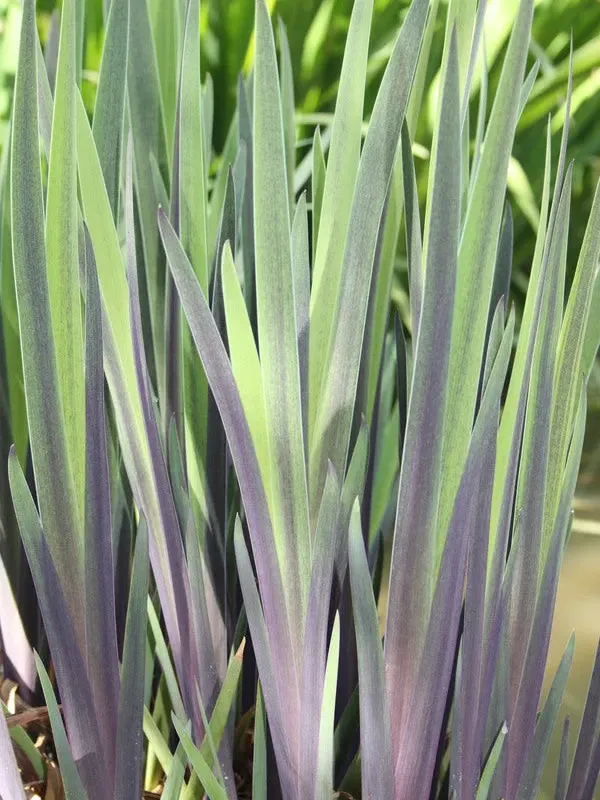
Description
Sowing dates
Robust iris (Iris robusta) is a perennial member of the Iridaceae family, recognized as a hybrid resulting from the natural cross-breeding of Iris versicolor and Iris virginica. The ideal time for planting or transplanting is in early spring or late summer, ensuring the plant has enough time to establish its roots before seasonal temperature extremes.
The standard method of propagation is the division of rhizomes. Gardeners should lift the root clump, divide it into sections with healthy buds and rootlets, and replant them into moist, nutrient-rich soil. This method maintains the hybrid’s unique aesthetic qualities and ensures vigorous growth.
When planting, it is crucial to position the rhizome horizontally, barely covering it with soil to prevent rot. A depth of approximately 3 to 5 centimeters is sufficient. This shallow planting allows the buds to develop without the risk of suffocation or fungal decay.
Proper spacing is vital for the health of robust iris. Plants should be set 45 to 60 centimeters apart to allow for airflow between the leaves. Proper ventilation significantly reduces the humidity buildup around the foliage, which is a common site for fungal development.
Given its hybrid nature, robust iris thrives in moisture-rich environments. The best site selection involves damp meadows, pond margins, or even shallow water depths up to 15 centimeters. Ensuring the planting site mimics its natural swampy habitat is key to successful cultivation.
Growing requirements
The primary environmental requirement for Iris robusta is consistent moisture. Unlike many garden iris species that require well-draining soil, this cultivar is a hydrophyte that excels in wet conditions, making it an excellent candidate for aquatic landscaping and riparian zones.
The soil should be rich in organic matter, such as compost or peat, which helps retain moisture and provides the necessary nutrients. A slightly acidic to neutral soil pH is preferred, reflecting the natural boggy conditions where its parent species are found.
Sunlight is critical for robust iris; for maximum flower production and strong foliage, the plant requires full sun exposure. While it may tolerate partial shade, insufficient light often results in "leggy" growth and a marked reduction in the number of blooms produced during the season.
This species is highly cold-hardy and can overwinter in most temperate climates without supplemental protection. Once established, the rhizomes are robust enough to survive freezing temperatures, provided the soil remains sufficiently insulated by the natural mulch of decaying leaves or snow cover.
Maintenance is relatively straightforward. Regular watering during dry spells is only necessary if the plant is not situated in a naturally wet area. Removing spent flower stalks after blooming prevents seed formation, allowing the plant to redirect its energy back into the rhizome.
Main diseases and pests
The most significant threat to robust iris is bacterial soft rot, which typically affects the rhizome. This condition is often exacerbated by standing water that lacks oxygen or by damage from pests, providing entry points for bacteria to enter the soft tissues of the plant.
Iris borers are the most notorious insect pests for this species. The larvae burrow into the rhizome, weakening the entire plant and making it susceptible to rot. Regular inspection and the use of targeted insecticides during the early growing season are recommended to mitigate this damage.
Leaf spot, a fungal disease, can appear as brown, water-soaked spots on the foliage. To prevent this, ensure that the plants are not overcrowded, which helps foliage dry quickly after rainfall. Fungicide sprays containing copper can be effective if the infestation is caught early.
Slugs and snails often feed on the tender young leaves of the iris, particularly in the humid environments where this plant thrives. Implementing organic barriers like crushed eggshells or using specific bait traps can effectively protect the plants without resorting to harsh chemicals.
Viral mosaic diseases may occasionally occur, causing mottled patterns on the leaves. As these diseases are untreatable, the best practice is to remove and destroy any infected plants promptly to prevent the spread of the virus to healthy individuals in the patch.