
Iris orientalis
Iris orientalis
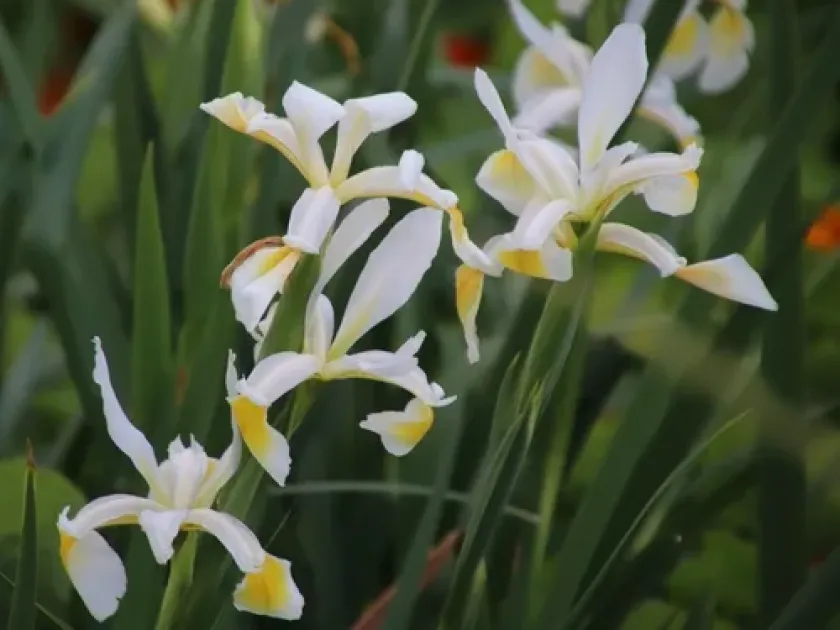
Description
Growing requirements
Iris orientalis, a member of the Iridaceae family, is a distinct perennial plant native to the eastern Mediterranean, including Turkey and Greece. This species is recognized for its sophisticated flower morphology, characterized by white to pale yellow standards and bright yellow-marked falls, making it a prized specimen in ornamental horticulture.
Cultivation requirements involve selecting well-lit, sunny sites that provide adequate protection from harsh winds. The soil should be fertile, light, and well-drained, as waterlogged conditions are highly detrimental to the rhizomatous root system of the plant, often leading to rot if drainage is insufficient.
The climate requirements of this species favor regions with warm summers, which are essential for the maturation of the rhizomes. While somewhat drought-tolerant once established, the plant responds favorably to supplemental irrigation during the peak spring growth phase, ensuring larger and more vigorous flower displays.
Good agricultural practices for Iris orientalis involve regular weeding and seasonal application of balanced mineral fertilizers to promote leaf health and blossom longevity. Keeping the surrounding soil aerated through gentle cultivation helps prevent root suffocation and promotes overall plant vigor.
In terms of usage, this plant is primarily utilized in landscape design for rock gardens, borders, and as a heritage plant in specialized flower collections. Its architectural foliage and striking blooms offer significant aesthetic value, maintaining ornamental interest from late spring into the summer season.
Main diseases and pests
Bacterial soft rot remains the most significant threat to this species, particularly in poorly drained soils with high humidity. Management involves ensuring optimal soil aeration and removing any infected rhizome sections immediately upon the detection of symptoms to prevent widespread contamination.
Fungal diseases, including Heterosporium leaf spot, often present as discolored lesions on foliage, which can diminish the visual appeal of the plant. Fungicide treatments, when applied early in the spring, are effective in controlling the spread of these pathogens across the collection.
The iris sawfly and iris bulb fly are among the most problematic insect pests, targeting the developing flower buds and larvae, respectively, which can severely reduce annual yields. Integrated pest management strategies, including the use of targeted insecticides, are recommended during peak activity periods.
Soil-dwelling insects such as wireworms can damage the underground parts of the plant, weakening the root system and creating entry points for secondary infections. Preparing the site with deep tillage and using soil-applied insecticides can significantly reduce the pressure from these pests.
General garden hygiene is essential for the long-term health of Iris orientalis, involving the thorough removal and destruction of dead foliage in the autumn. By clearing debris, gardeners eliminate overwintering sites for both fungal spores and common insect pests, promoting a healthier growing environment.