
Iris macrosiphon
Iris macrosiphon
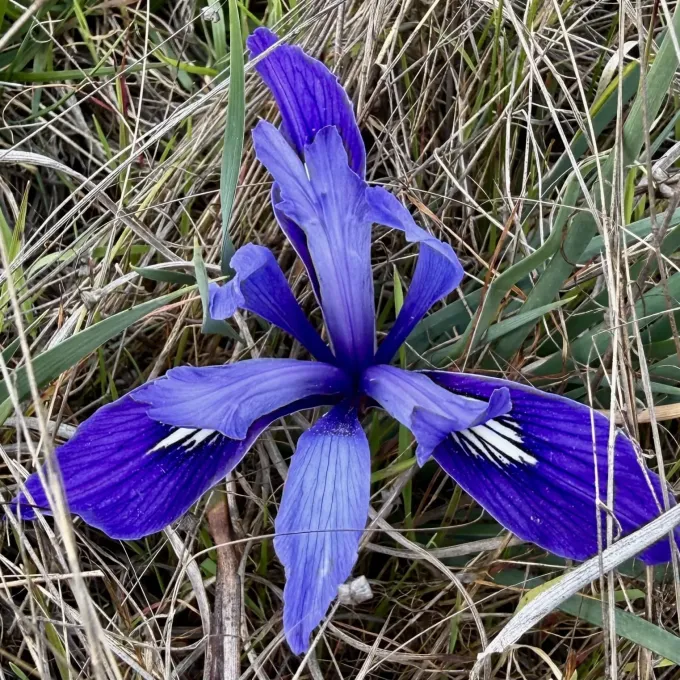
Description
Sowing dates
Propagation of Iris macrosiphon is primarily achieved through seed sowing or rhizome division. For seeds, autumn sowing is recommended to allow the natural winter chill to break dormancy, a process known as stratification.
If seeds are sown in the spring, they require artificial cold stratification for at least 6 to 8 weeks in a refrigerator. Without this cold treatment, germination will be sparse and unpredictable.
Seeds should be planted at a shallow depth of approximately 1 centimeter in a well-draining, gritty seed-starting mix. Proper spacing is essential to ensure that seedlings receive adequate airflow once they emerge.
When propagating via rhizome division, the best time to perform the operation is shortly after the plant has finished flowering. This allows the roots to establish themselves well before the onset of the colder winter temperatures.
Maintenance of moisture in the seed tray is critical during the initial germination phase. Once seedlings reach a height of 5-8 centimeters, they can be carefully transplanted into permanent locations.
Growing requirements
Iris macrosiphon belongs to the Iridaceae family and is native to the coastal ranges of California. It is a hardy perennial adapted to a Mediterranean-style climate characterized by wet winters and dry, warm summers.
The plant thrives in well-drained, slightly acidic to neutral soils. It is highly intolerant of waterlogged soil, which typically leads to root rot; therefore, providing a sloped planting site is an effective cultivation strategy.
Full sun is required for optimal flowering, although the plant can tolerate light shade during the hottest part of the day in inland climates. Increased light exposure helps prevent the foliage from becoming leggy.
This species is exceptionally drought-tolerant once established. While it benefits from supplemental water during the spring growth phase, it enters a state of summer dormancy where water should be kept to a minimum.
Nutrient requirements for this species are relatively modest. An annual light application of balanced organic fertilizer in early spring can help maintain plant vigor and enhance the vibrancy of the blooms.
Main diseases and pests
The most common disease affecting Iris macrosiphon is leaf spot, caused by various fungal pathogens. Symptoms include discolored lesions on the leaves, which can spread rapidly under high humidity conditions.
Bacterial soft rot of the rhizome is a major threat if the plant is subjected to poor drainage or mechanical injury. Affected rhizomes should be excavated, cleaned, and treated with fungicide to save the plant.
Pests such as aphids and iris borers can cause significant damage to the foliage and flower stems. Regular inspection and the use of appropriate horticultural soaps or systemic insecticides can manage these populations.
Proper garden hygiene, including the removal of dead foliage in the late autumn, is essential to minimize the overwintering of pathogens and insects in the plant canopy.
Avoiding overhead irrigation is a key cultural practice to keep foliage dry and reduce the risk of foliar fungal infections. Utilizing drip irrigation systems helps maintain root health without wetting the leaves.