
Iris crocea
Iris crocea
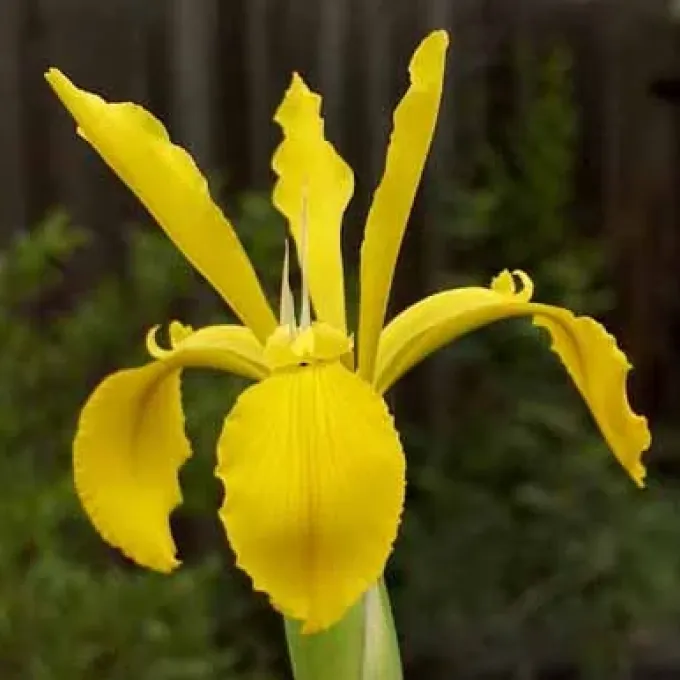
Description
Sowing dates
The sowing of Iris crocea seeds is most successful when performed in the autumn, allowing the seeds to undergo a natural cold stratification process during the winter. This method ensures uniform germination and leads to more robust seedlings once spring arrives.
For large-scale cultivation or controlled breeding, sowing in protected environments during late winter is also possible. Providing a light, well-draining substrate and maintaining stable temperatures supports the initial development of the root system before the young plants are hardened off.
Vegetative propagation via division of the rhizomes is the standard practice for maintaining the genetic purity and vigor of the clones. This process is best undertaken immediately after the plant has finished flowering, allowing the divisions time to establish before the onset of extreme weather.
When planting, it is crucial to position the rhizome correctly; the upper portion should remain just at or slightly below the soil surface to ensure it receives adequate heat and oxygen, which prevents rot in the crown of the plant.
Proper spacing, typically between 40 and 60 centimeters depending on the desired density, is essential for maintaining air circulation. Good airflow significantly reduces the likelihood of foliage moisture retention, which is a key trigger for fungal development.
Growing requirements
Iris crocea is a member of the Iridaceae family, originating from the mountainous regions of the Himalayas. The species is well-regarded for its tall, elegant stems and vivid, saffron-yellow flowers that add significant aesthetic value to perennial garden borders.
The plant thrives in fertile, deep loamy soils that possess excellent drainage qualities. While it is adaptable to various conditions, it performs best in soils with a neutral pH, and soil enrichment with well-composted organic matter is recommended prior to planting.
Regarding climate, Iris crocea is hardy but appreciates a sunny, open location that provides full exposure to light. It demonstrates good resistance to minor fluctuations in temperature, provided the root zone remains protected from extreme waterlogging during the dormant period.
Water management is a cornerstone of Iris crocea husbandry. Regular watering during the active growing and flowering season is necessary for optimal size and blossom production, whereas the post-flowering period requires a drier environment to encourage root dormancy.
In landscaping, this species is frequently used as a structural plant due to its impressive height. Its resilience makes it an ideal candidate for rock gardens, mixed perennial displays, and as a focal point in specialized iris collections that focus on Himalayan flora.
Main diseases and pests
Fungal leaf spot diseases are among the most frequent threats, especially in humid or stagnant air conditions. Promptly removing and destroying infected leaves helps to limit the spread of spores, while fungicide applications may be necessary during wet spring weather.
Bacterial soft rot is a more severe issue that typically affects the rhizomes during periods of excessive moisture. Preventive care, such as ensuring perfect soil drainage and avoiding overhead watering, is the most effective way to protect the plant from this systemic problem.
Pests such as iris borers and thrips can cause significant damage to the floral spikes and foliage. Regular inspection of the garden is advised to identify early signs of infestation, allowing for targeted treatment rather than extensive use of broad-spectrum pesticides.
Soil-borne pests like root nematodes can weaken the plant by feeding on the root tissues, which often makes the iris more susceptible to secondary infections. Implementing a rotation strategy or using healthy planting stock is crucial for long-term health.
Maintaining a clean garden by removing weeds and dead vegetation at the end of each season helps reduce the habitat available for pests. Good garden hygiene practices form the foundation of a proactive strategy for managing the health of your iris collection.