
Inga cylindrica
Inga cylindrica
Description
Growing requirements
Inga cylindrica is a perennial evergreen tree belonging to the Fabaceae family, subfamily Mimosoideae. It is highly regarded in tropical regions for its ability to provide shade and improve soil quality through natural processes.
Native to Central and South America, this species thrives in humid tropical environments. It is commonly found in river basins and near-forest regions, where the microclimate is characterized by high humidity and consistent precipitation levels throughout the year.
The tree requires warm tropical temperatures, ideally between 22 and 30 degrees Celsius, to maintain optimal growth rates. Exposure to temperatures near freezing can severely damage the foliage and stunt the development of young saplings.
For successful cultivation, deep and well-drained soils are essential. Inga cylindrica is a nitrogen-fixing legume; it forms a symbiotic relationship with specific soil bacteria, allowing it to improve the nutrient profile of poor soils significantly.
When establishing a plantation, young plants need initial irrigation to ensure deep root establishment. Once mature, the trees are remarkably resilient and can withstand short intervals of dryness, though they perform best when moisture is adequate.
Main diseases and pests
Root rot is the most significant threat to Inga cylindrica, particularly in poorly drained soils. Excessive water accumulation around the root collar can lead to fungal pathogens that compromise the health of the entire tree.
Defoliating insects, including various species of lepidopteran larvae, may attack young foliage during the growing season. Integrated pest management, focusing on biological controls, is generally preferred to maintain the ecological balance.
Powdery mildew can occur in densely planted stands where humidity remains trapped and air circulation is insufficient. Proper spacing during initial planting is the most effective way to prevent the spread of fungal diseases.
Anthracnose can impact both fruit production and leaf vitality during periods of intense rainfall. Removing infected debris from the vicinity of the trees helps reduce the inoculum level and protects the overall health of the plantation.
Wood-boring insects may attack trees that are already stressed or improperly pruned. Providing proper nutrient support and ensuring clean cuts during pruning are vital practices to minimize the risk of infestation by these pests.
Harvesting
The primary agricultural utility of Inga cylindrica is its role in agroforestry systems. It is extensively used to shade delicate crops like coffee and cocoa, protecting them from excessive solar radiation and maintaining soil moisture.
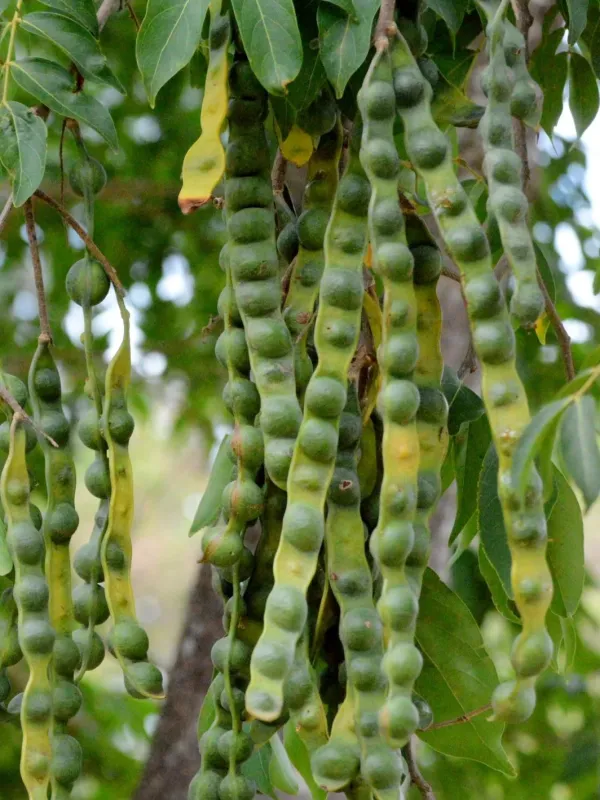
The tree produces long, cylindrical pods containing seeds surrounded by a sweet, edible pulp. While primarily used for local consumption, these pods are also a valuable food source for birds and small mammals, supporting local biodiversity.
In terms of biomass management, the tree is frequently pruned to provide mulch. This organic material decomposes rapidly, adding nitrogen and humus to the soil, which enhances the growing conditions for other crops grown underneath.
Harvesting for consumption occurs when the pods reach full maturity. Because the pulp is highly perishable, it is typically consumed locally or sold in nearby markets shortly after harvest to maintain freshness and quality.
Maintenance pruning is essential not only for biomass production but also for regulating tree architecture. This practice ensures that the tree structure remains stable and contributes effectively to the overall productivity of the agricultural site.