
Indigofera zollingeriana
Indigofera zollingeriana
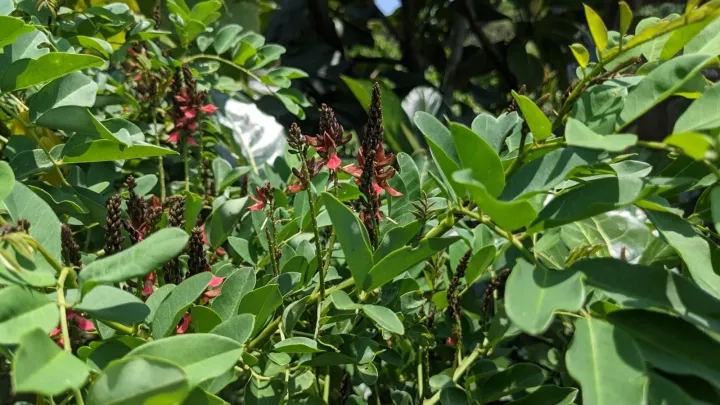
Description
Sowing dates
The ideal planting time coincides with the start of the rainy season to ensure sufficient soil moisture for germination. Seeds should be sown in rows, with spacing optimized to allow for adequate canopy development and to reduce competition between individual plants.
Seed scarification is a recommended pre-sowing treatment to break the seed coat dormancy. This ensures a higher germination rate and uniform plant growth across the field, which is essential for establishing a productive and long-lasting forage stand.
Growing requirements
This crop prefers full sunlight and performs best in well-drained loamy soils. While it exhibits remarkable drought tolerance, consistent moisture levels significantly boost biomass production, allowing the plant to reach its full yield potential within a shorter period.
It is adaptable to various pH levels, but acidic soils may require lime application to optimize the nodulation process. Proper site selection is crucial to avoid low-lying areas prone to waterlogging, as the species is sensitive to poorly aerated soil conditions.
Yield
The biomass yield of Indigofera zollingeriana is exceptional, often surpassing other common forage legumes. It is capable of producing multiple harvests per year, making it a reliable and efficient source of protein for livestock diets, including cattle and goats.
Nutritional analysis indicates a crude protein content ranging from 20 to 28 percent. By integrating this legume into the daily ration, farmers can significantly improve the health and weight gain of their animals while reducing dependency on supplemental commercial feeds.
Main diseases and pests
The plant is generally resilient and exhibits strong resistance to major pests and diseases. However, in poorly managed plots with excessive moisture, fungal root infections can occur. Early identification and proper drainage management are the most effective preventive measures.
Insect pests, such as leaf-eating caterpillars, may occasionally appear during the growing season. Integrated pest management (IPM) practices, such as maintaining a healthy crop cycle and monitoring for early signs of infestation, can keep pest levels below economic thresholds.
Harvesting
Harvesting should take place at a cutting height of 30 to 50 centimeters. This height is critical because it leaves enough structural mass for the plant to regenerate rapidly, ensuring that the roots remain vigorous for subsequent harvests throughout the season.
The foliage can be utilized fresh, or processed into hay or silage. Its versatility makes it a staple crop in intensive farming systems where high-quality protein is needed year-round to maintain animal productivity and optimize agricultural economic returns.