
Indigofera charlierana
Indigofera charlierana
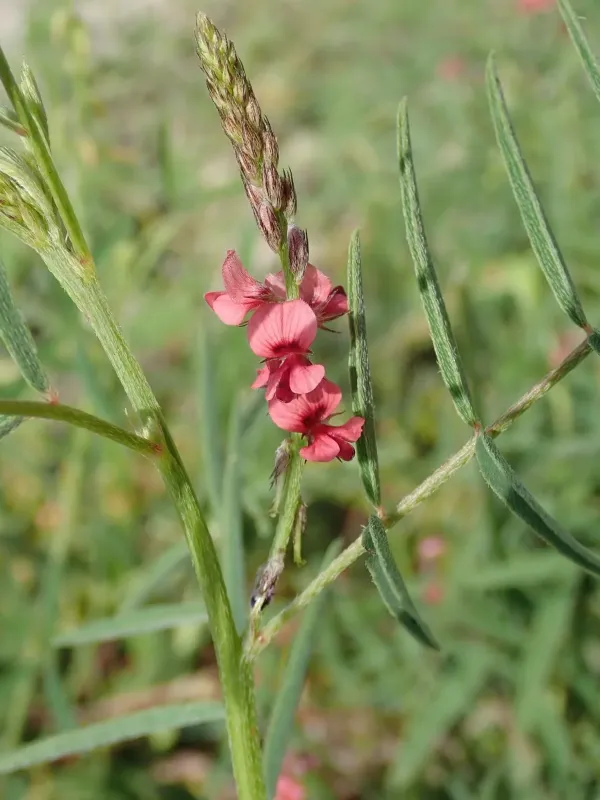
Description
Sowing dates
Indigofera charlierana is a resilient legume species belonging to the Fabaceae family, recognized for its adaptability to challenging environmental conditions in tropical and subtropical regions.
The optimal time for sowing is at the beginning of the rainy season, ensuring the seeds have adequate moisture to germinate and establish a strong root system before the onset of dry spells.
Seeds of this species are characterized by hard coats, meaning mechanical or chemical scarification is often required to break dormancy and ensure uniform emergence.
When sowing for biomass or forage, seeds should be distributed in rows spaced 30 to 50 centimeters apart, depending on the specific soil fertility and regional climate patterns.
Placing seeds at a depth of 1 to 2 centimeters is crucial to allow the young seedlings to access sufficient resources while protecting them from heat and soil crusting.
Growing requirements
This crop thrives in well-drained, light-textured soils such as sandy loams, which prevent the risk of waterlogging that is detrimental to the plant's health.
Indigofera charlierana is notably drought-tolerant, capable of maintaining growth during periods of low rainfall once the plants have become fully established.
Like many members of the Fabaceae family, it relies on symbiotic nitrogen-fixing bacteria to thrive in low-fertility soils, making it an excellent candidate for nitrogen replenishment.
The plant requires full exposure to sunlight; lack of light significantly hinders the accumulation of biomass and reduces its overall forage nutritional quality.
It prefers soils with a near-neutral pH; extremely acidic or alkaline conditions may impede the efficacy of the nitrogen-fixing nodules attached to the roots.
Main diseases and pests
Root rot caused by stagnant water and fungal infections in humid conditions are the most significant health risks for Indigofera charlierana plantations.
Various insect pests, including beetles and leaf-chewing caterpillars, can cause localized damage, although the plant typically maintains resilience under good management practices.
Effective prevention of diseases involves maintaining proper aeration within the field, which can be achieved through correct plant spacing and controlling weed competition.
Biological control agents and integrated pest management (IPM) strategies are highly recommended to keep pest populations below the economic injury level.
Regular field monitoring during the early seedling stage is essential, as this is when the plants are most vulnerable to both biotic and abiotic stressors.
Harvesting
Harvesting for forage should ideally occur at the mid-flowering stage, as this represents the peak period for both biomass volume and crude protein concentration.
When managed as a green manure crop, the plants should be incorporated into the soil just before pod set to maximize the nutrient contribution to the next crop cycle.
Cutting the plants at a height of approximately 15 centimeters is a recommended practice to promote regeneration if favorable moisture conditions follow the harvest.
For seed production, harvesting should be performed when the pods turn dark and reach maturity, typically when seed moisture content is low enough to prevent spoilage.
Rapid harvesting is necessary during the seed maturation phase, as delay can lead to pod dehiscence, causing substantial loss of seeds on the field surface.