
Indigofera bungeana
Indigofera bungeana
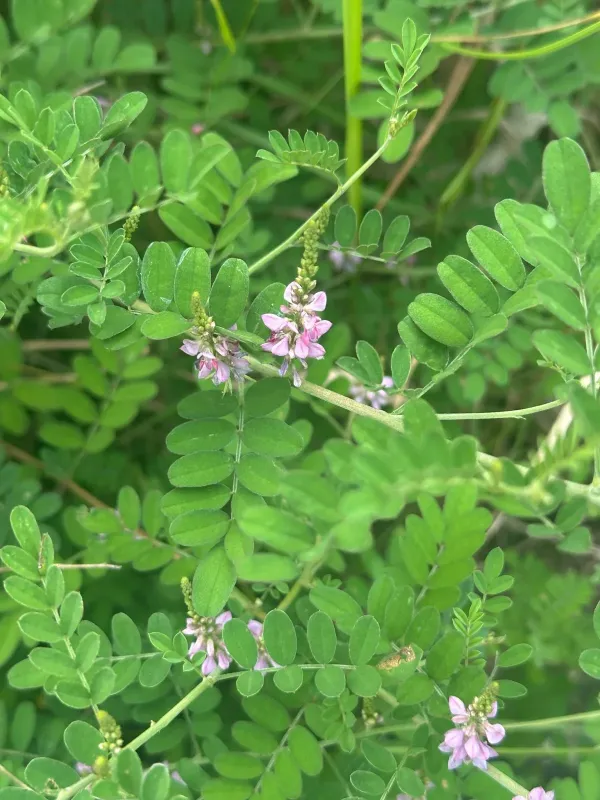
Description
Growing requirements
Indigofera bungeana is a perennial deciduous shrub belonging to the Fabaceae family. Native to East Asia, specifically regions of China, it is well-regarded for its ornamental value and its biological nitrogen-fixing properties.
The plant features pinnate leaves and elongated racemes of pink-purple flowers. Its structure makes it a suitable candidate for landscape design and environmental soil stabilization projects.
It requires a site with full sun exposure to thrive and produce its signature blossoms. Partial shade is tolerated, but the overall vigor and flowering capacity of the shrub may decrease significantly.
The ideal soil for this species is well-drained, sandy loam with a moderate level of fertility. The root system is sensitive to waterlogging, necessitating excellent drainage to prevent hypoxic stress.
Climate-wise, it prefers mild, temperate conditions. While it exhibits some tolerance to heat, protecting the plant from freezing winter temperatures is recommended in colder hardiness zones.
Main diseases and pests
Fungal diseases, particularly powdery mildew, represent the most significant threat to Indigofera bungeana. These pathogens typically emerge in humid and poorly ventilated conditions.
Root rot caused by excessive soil moisture is a lethal threat that often develops silently below the surface. Monitoring soil hydration is essential to maintaining plant health.
Pests such as spider mites and aphids are known to feed on the tender foliage during dry periods. These pests can stunt growth and weaken the plant, making it more susceptible to other diseases.
Sanitation practices, such as pruning damaged or infected branches and clearing leaf litter, are essential components of an effective integrated pest management strategy.
Strategic use of biological control agents or targeted pesticides should be employed only after careful identification of the specific pest or pathogen pressure.