
Yunnan holly
Ilex yunnanensis
Description
Growing requirements
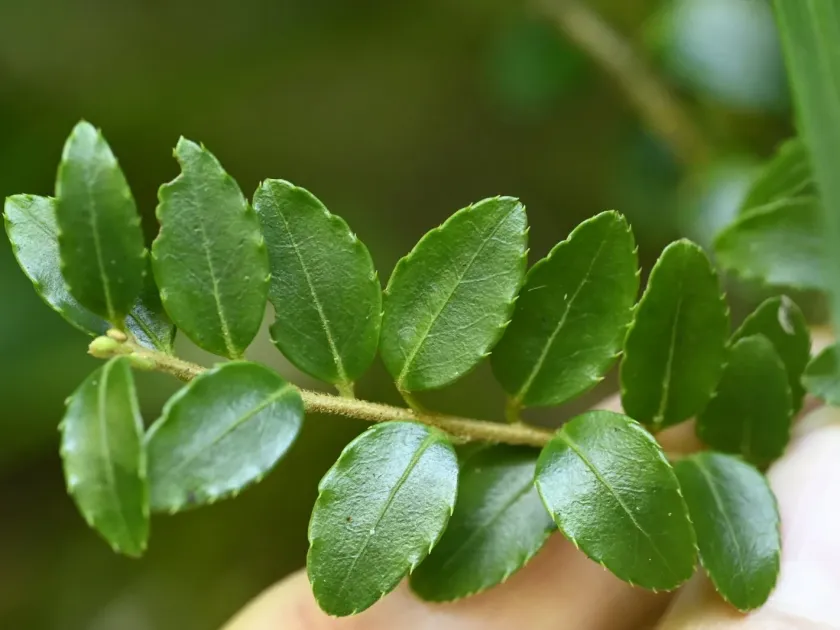
Yunnan holly (Ilex yunnanensis) is an evergreen shrub belonging to the Aquifoliaceae family. Native to the mountainous regions of China, particularly Yunnan province, this species is well-adapted to high-altitude temperate environments and offers significant ornamental value to landscapes.
For successful cultivation, the soil should be fertile, well-drained, and slightly acidic. It is crucial to ensure that the site does not accumulate stagnant water, as the root system of Ilex yunnanensis is sensitive to waterlogging, which can quickly lead to decay.
While the plant can tolerate various light levels, it performs best in locations with partial shade or filtered sunlight. Intense direct midday sun can occasionally cause leaf scorch in younger specimens, so a sheltered position is often preferred for optimal growth and foliage density.
Agricultural practices for this shrub involve consistent watering during dry spells, especially during the first two years after planting. Mulching the root zone helps maintain soil moisture, suppresses weeds, and protects the root system from drastic temperature fluctuations throughout the year.
Economically, this species is highly valued in horticulture for its compact growth habit and lustrous dark green foliage. It is widely used in garden design, particularly for formal hedges, topiary projects, or as an accent plant that provides color during the dormant winter months.
Main diseases and pests
Yunnan holly can be susceptible to several fungal diseases, such as leaf spot and root rot, particularly in environments with poor air circulation or excessive humidity. Maintaining adequate spacing during planting is the primary method to prevent these infections.
Pests including scale insects and aphids may occasionally infest the plant, feeding on the nutrient-rich sap of new shoots. Early detection through regular inspections allows for targeted applications of insecticidal soap or neem oil, minimizing the need for heavy chemical intervention.
In addition to pests, improper nutrient management can lead to stress. High nitrogen levels late in the growing season can stimulate soft growth that is susceptible to frost damage, so autumn fertilization should focus on phosphorus and potassium to promote winter hardiness.
Winter injury can occur in exposed areas, manifesting as browned or desiccated foliage due to drying winds. Providing a protective burlap wrap or windbreak for young or recently transplanted shrubs is a standard practice to ensure survival during extreme cold spells.
Sanitation is a critical component of disease prevention. Dead or diseased branches should be pruned promptly and removed from the site to prevent the spread of spores. All pruning tools must be cleaned with disinfectant between plants to avoid cross-contamination.