
Ilex pleiobrachiata
Ilex pleiobrachiata
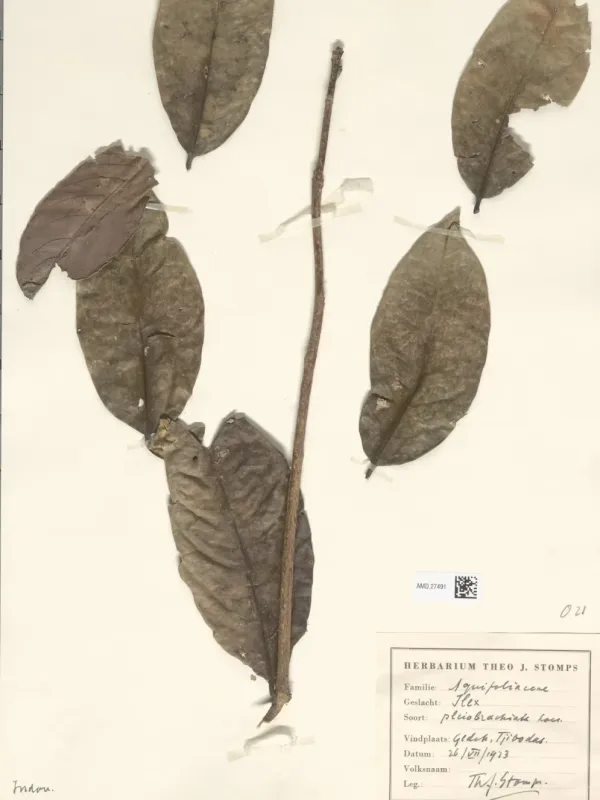
Description
Growing requirements
Ilex pleiobrachiata is a member of the Aquifoliaceae family, known as the holly family. This evergreen shrub originates from the mountainous tropical forests of Southeast Asia, where it thrives in high-humidity environments.
The climate requirements for this species include consistent warmth and protection from extreme temperatures. It prefers partial shade conditions, as intense direct sunlight during peak hours can result in foliage scorch and reduced plant vigor.
Regarding soil management, the crop necessitates a well-draining, nutrient-rich, acidic substrate. Proper aeration is crucial for root health, and growers should ensure that the planting site does not suffer from waterlogging, which is a major physiological risk for this species.
Agrotechnical maintenance focuses on providing adequate moisture throughout the growing season. Applying organic mulch is a recommended practice to maintain stable soil moisture levels and suppress weed competition within the root zone.
The horticultural utility of Ilex pleiobrachiata is primarily focused on its ornamental value. Its structural density and green foliage make it an excellent choice for landscape design, hedging, and specimen plantings in climate-appropriate areas.
Main diseases and pests
Root rot and fungal leaf spot diseases are the most prevalent threats when drainage is inadequate. Maintaining proper plant spacing and ensuring good airflow are essential cultural practices to mitigate the risks associated with high humidity and fungal pathogens.
Typical insect pests affecting this plant include scale insects and spider mites, which can drain the plant's resources. Integrated pest management strategies, including monitoring and the application of horticultural oils or insecticides, are necessary to maintain plant health.