
Farges holly
Ilex fargesii
Description
Growing requirements
Farges holly (Ilex fargesii) is a distinct species within the Aquifoliaceae family. This evergreen shrub or small tree is native to the mountain forests of China, where it grows in cool and moist microclimates.
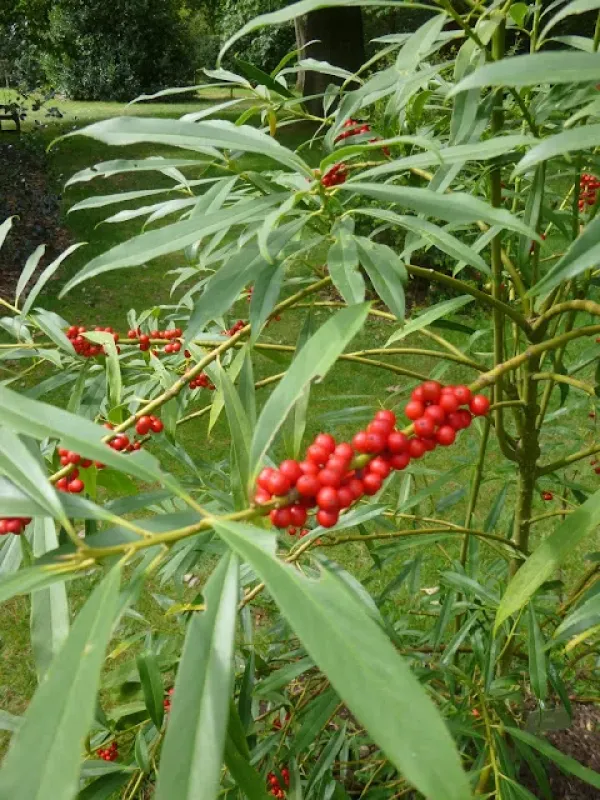
Botanically, it is recognized for its narrow, lanceolate leaves and bright red berries that provide high ornamental value during the autumn and winter seasons.
The plant thrives in well-drained, humus-rich soils with a slightly acidic pH level. It performs best in partial shade, as intense sunlight can dehydrate the foliage and inhibit its growth.
In terms of climate, it prefers regions with mild winters. In colder zones, it is essential to plant it in sheltered locations, protected from harsh, desiccating winds that can damage the evergreen leaves.
Routine care involves consistent moisture management and seasonal mulching, which helps to maintain the stable soil temperature required for the healthy development of its fibrous root system.
Main diseases and pests
Like other holly species, Ilex fargesii can be susceptible to various pests, including scale insects and aphids, which may cluster on the stems and undersides of leaves.
Fungal diseases, such as leaf spot or powdery mildew, often develop in stagnant air environments or during periods of prolonged, excessive rainfall.
Effective management includes pruning to allow for better air circulation and the removal of any diseased twigs to prevent the spread of spores.
Chemical control with systemic insecticides or fungicides should be applied only when necessary, following local agricultural guidelines to avoid phytotoxicity.
Consistent garden hygiene is the most effective preventative measure to ensure the long-term vitality of Farges holly in a residential or commercial landscape.