
Ice-cream bean
Inga edulis Mart.
Description
Sowing dates
The ice-cream bean is typically propagated by seeds, which should be sown immediately after removal from the pod as they lose viability rapidly.
The best time for sowing coincides with the onset of the rainy season to ensure sufficient moisture for the emerging seedlings to establish roots.
Seeds are planted at a shallow depth of about 2–3 centimeters in a nutrient-rich, well-draining potting mix to ensure quick germination.
Using individual nursery containers is recommended to protect the sensitive taproot during the initial stages of plant growth and subsequent transplanting.
Under optimal conditions with temperatures above 20°C, germination typically occurs within 7 to 10 days, followed by rapid early growth.
Growing requirements
Inga edulis is a fast-growing leguminous tree that belongs to the Fabaceae family, prized for its ability to fix nitrogen in the soil.
The plant thrives in humid tropical climates and requires consistent rainfall throughout the year, with no prolonged periods of drought.
It prefers deep, fertile, and well-drained soils, although its nitrogen-fixing capabilities allow it to perform well in moderately poor soil conditions.
Due to its high biomass production and nitrogen-fixing roots, it is widely utilized in agroforestry systems to provide shade for crops like coffee and cacao.
Young trees require protection from direct, drying winds and intensive sunlight during the first few months until the root system is fully established.
Yield
The tree starts to bear fruit relatively early, usually within 3 to 5 years after planting, depending on the site conditions and the specific variety.
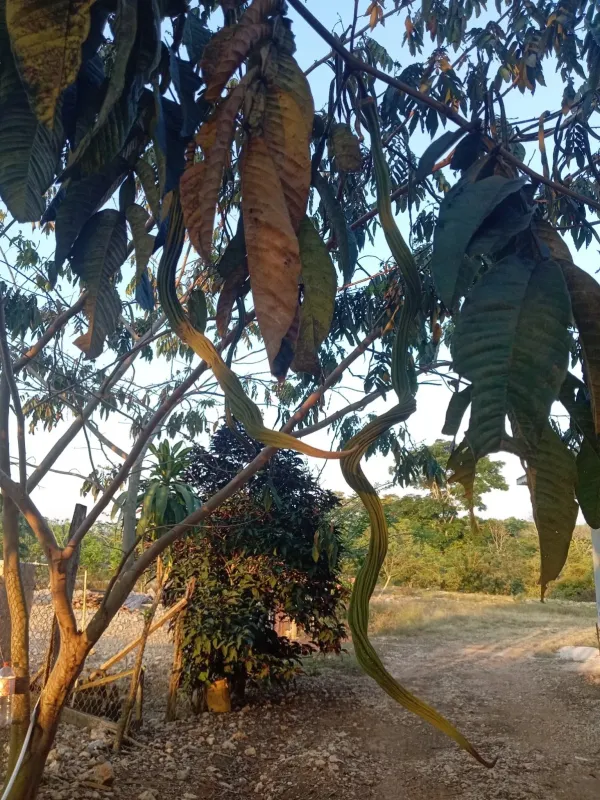
The fruits are long, velvety, indehiscent pods containing a sweet, cottony pulp that gives the tree its common name, the ice-cream bean.
Yields increase significantly as the tree matures, with mature trees producing substantial amounts of pods that can be harvested over an extended season.
Consistent productivity is maintained through periodic pruning and mulching, which helps to preserve soil moisture and recycle essential nutrients.
In addition to human consumption, the tree provides valuable organic matter for the soil through its rapid leaf drop and nitrogen-rich foliage.
Main diseases and pests
The ice-cream bean is generally hardy, but it can be susceptible to various fungal diseases if planted in areas with poor drainage and high humidity.
Insect pests, such as leaf-eating caterpillars and certain types of stem borers, can cause localized damage to the foliage and younger branches.
Preventive maintenance, including adequate spacing between trees to ensure good airflow, is essential to minimize the risk of pest and disease outbreaks.
Avoiding waterlogged soil conditions is the most important factor in preventing root rots, which are the most serious threat to the longevity of the trees.
Integrated pest management, including the use of biological control agents, is recommended for plantations to ensure the fruit remains safe for consumption.
Harvesting
Harvesting is performed manually by carefully cutting the mature pods from the branches using shears to avoid damaging the tree's bark or buds.
The pods are harvested when they reach their full size and have a characteristic firm feel, ensuring the pulp inside is at its peak quality.
Post-harvest handling is critical because the fruit is perishable and can ferment or lose quality if stored under warm and humid conditions.
Pods should be sorted immediately after harvesting to remove any damaged or diseased specimens, preventing the rapid spoilage of healthy fruits.
The fruit is best consumed fresh shortly after harvest, as the delicate flavor and texture of the pulp begin to degrade within a few days of picking.