
Ibicella lutea
Ibicella lutea (Lindl.) Van Eselt.
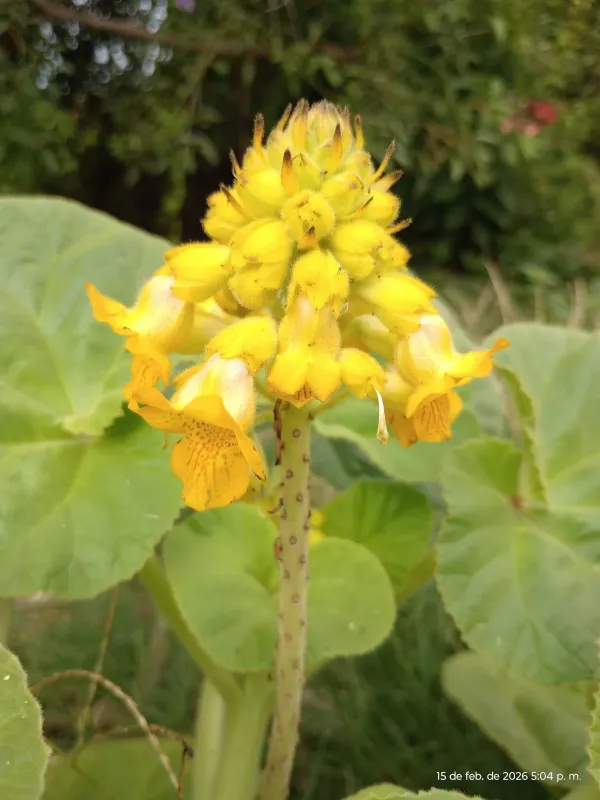
Description
Sowing dates
Ibicella lutea is a frost-tender annual that requires warm temperatures to germinate, making direct outdoor sowing possible only when the danger of frost has passed.
For colder regions, starting seeds indoors in individual pots four to six weeks before the last frost date is the most recommended cultivation strategy.
The seeds possess a very hard, woody coat that often requires scarification or a long soak in warm water to facilitate successful and even germination.
Soil temperature is critical; it should be consistently maintained between 22 and 26 degrees Celsius to prevent the seeds from rotting in damp, cold soil.
Once seedlings have developed their first true leaves and nighttime temperatures stay above 12 degrees, they can be hardened off and transplanted outdoors.
Growing requirements
As a member of the Martyniaceae family, this plant thrives in full sun exposure and needs a long, warm growing season to reach full maturity.
Ibicella prefers well-draining, fertile soil that is slightly acidic to neutral in pH, as it performs poorly in heavy, waterlogged clay soils.
Adequate spacing is vital; the plant develops a wide, sprawling habit, so placing plants at least 70–80 cm apart is necessary for air circulation.
While the plant is somewhat drought-tolerant once established, consistent moisture during the flowering and fruit-setting phases is essential for good yields.
The plant has sticky, glandular hairs that can trap small insects, which is a unique biological adaptation to nutrient-poor environments, but it still benefits from moderate fertilization.
Yield
The primary yield consists of immature green pods, which are prized for their culinary qualities when pickled in vinegar or brine.
The productivity of the plant is highly dependent on the length of the summer, as it needs plenty of heat to initiate and finish fruit development.
Consistent harvesting of young fruits encourages the plant to continue producing new flowers and setting additional pods throughout the season.
Mature, dried pods are also considered a harvested product, often used in decorative floral arrangements due to their dramatic, horned appearance.
Given the niche demand for this crop, yields are typically managed by home gardeners or small-scale specialty farms rather than large agricultural operations.
Main diseases and pests
The plant's natural stickiness provides some level of protection against minor pests, but it also means that dust and debris easily adhere to the leaves.
In humid or stagnant conditions, powdery mildew can become a significant issue, appearing as a white fungal coating on the surface of the leaves.
Aphids can occasionally cluster on the tender new growth, potentially transmitting viruses that may stunt the overall development of the plant.
To mitigate disease risk, growers should ensure proper plant spacing to allow for airflow and avoid overhead watering that keeps the foliage consistently wet.
Root rot is the most serious threat, usually occurring due to excessive watering or soil that fails to drain quickly after heavy rainfall.
Harvesting
The culinary harvest is timed by fruit maturity; pods should be gathered while they are still fleshy and bright green, usually about two weeks after flowering.
If the pods are allowed to remain on the plant too long, they develop tough, fibrous internal structures and woody outer shells that are inedible.
For seed production, the pods must be left on the plant until they turn dark brown, dry out, and begin to naturally dehisce or split open.
When handling fully mature pods, be aware of the sharp, curved hooks on the woody shell, which can easily pierce the skin or snag on clothing.
Post-harvest, the green pods should be processed or refrigerated immediately to maintain their texture and prevent them from turning woody or shriveled.