
Yacon
Smallanthus sonchifolius (Poepp.) H. Rob.
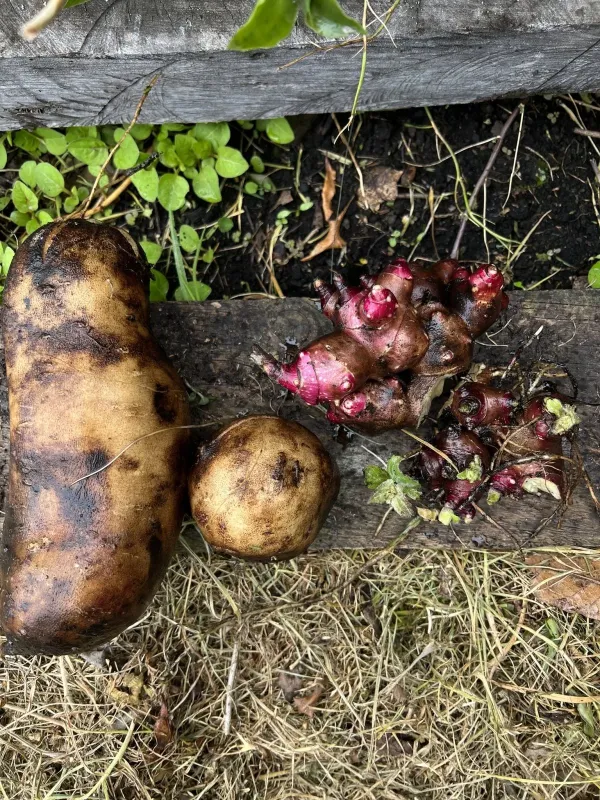
Description
Sowing dates
Yacon is a perennial plant of the Asteraceae family, typically grown as an annual in temperate climates due to its susceptibility to frost. Propagation is done vegetatively by dividing the rhizomes, as the seeds often fail to mature in shorter growing seasons.
Planting in open fields should occur in spring once soil temperatures reach 10–12°C and the risk of frost has passed. In regions with shorter summers, starting the rhizomes in pots indoors or in greenhouses by March or April is recommended.
The optimal planting density involves a spacing of 60–70 cm between rows and 40–50 cm between plants. This layout ensures adequate space for the development of the large, fleshy root system.
The plant has a long growth cycle, requiring 150 to 180 days to reach maturity. Therefore, selecting sunny locations with protection from strong winds is crucial for maximizing crop potential.
Given its sensitivity to cold, using row covers or polytunnels during the initial establishment phase can help the plants adapt to outdoor conditions more effectively.
Growing requirements
Yacon thrives in loose, fertile, well-draining sandy loam or loamy soils. Good drainage is vital, as the tubers are highly prone to rotting if they sit in waterlogged soil for extended periods.
Regular but moderate irrigation is essential during the active growing season. While the plants need moisture to bulk up the tubers, excessive water can be detrimental to both root health and sugar quality.
Organic matter such as compost or well-rotted manure should be incorporated into the soil during preparation. Potassium-rich fertilizers can further enhance the quality and quantity of the tubers.
Since the stalks are relatively brittle and can reach heights exceeding one meter, providing support or planting in areas sheltered from strong winds helps prevent lodging.
The ideal temperature range for Yacon growth is 20–25°C. Temperatures below 10°C significantly hinder growth, and the onset of freezing weather will kill the aerial portion of the plant entirely.
Yield
Yields vary depending on soil quality and the length of the frost-free season. A single healthy plant can produce between 2 and 5 kg of tubers, which serve as the main marketable product.
Yacon is primarily valued for its high concentration of inulin and fructooligosaccharides, making it an excellent health food, particularly for individuals requiring sugar-conscious diets.
The leaves are also commercially significant, containing bioactive compounds that are used to produce herbal teas known for their potential blood-sugar-regulating properties.
Under intensive management and proper hydration, yields can reach 40–60 tonnes per hectare. This high potential makes it an attractive alternative crop for small-scale and commercial farmers.
Post-harvest storage requires specific conditions, including high humidity and low positive temperatures (2–4°C), to prevent the tubers from shriveling and losing their sweet flavor.
Main diseases and pests
Yacon is generally a robust crop, but in poorly drained soils, it may be susceptible to root rot caused by fungal pathogens such as Fusarium or Rhizoctonia species.
Slugs and snails are the most frequent pests, as they often target young leaves and stems, especially during periods of high humidity and rainfall.
Aphids and spider mites may occasionally infest the plants during hot, dry spells, potentially weakening the plant and reducing its photosynthetic capacity.
Prevention is key, involving strict crop rotation practices to avoid planting Yacon in sites that previously hosted other Asteraceae species susceptible to the same issues.
Chemical control is rarely recommended due to the plant's ability to store substances in its tubers. Biological control methods are preferred to ensure the final product remains natural and safe.
Harvesting
Harvesting is typically done shortly after the first frost, which signals the plant's entry into dormancy and ensures the highest concentration of prebiotic sugars in the tubers.
Careful extraction using garden forks is necessary to prevent damage to the brittle tubers. Harvesting should ideally be done in dry weather to keep the product clean.
After excavation, the tubers should be separated from the main rhizome and left in a shaded, well-ventilated area for several days to cure and allow any micro-wounds to heal.
The central rhizomes intended for the next season should be stored separately in slightly moist sand or peat at temperatures between 4–6°C.
Marketable tubers can be stored for up to 5–6 months if kept in a cellar or a refrigerated environment with high relative humidity, maintaining their freshness and nutritional profile.