
Hypserpa nitida
Hypserpa nitida
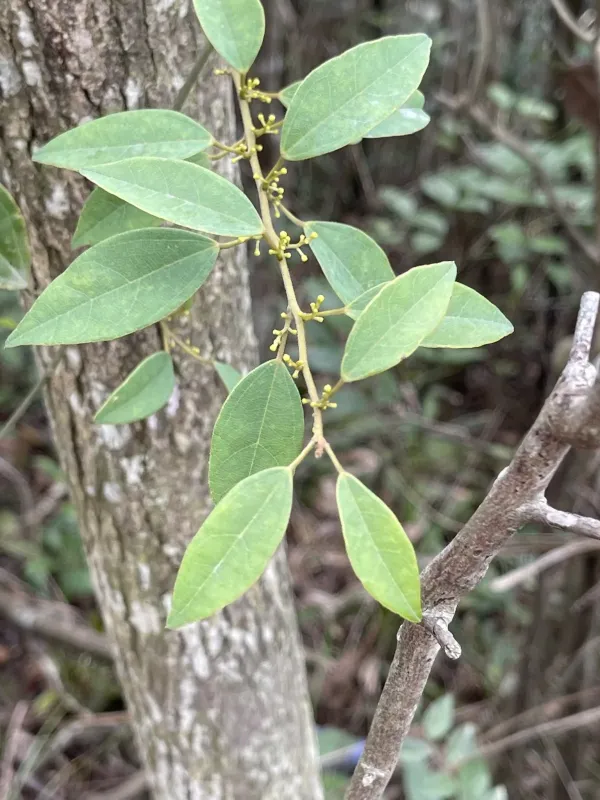
Description
Growing requirements
Hypserpa nitida is a notable woody vine belonging to the Menispermaceae family. Native to the lush tropical environments of Australia and parts of Southeast Asia, this plant species occupies a specialized niche within forest ecosystems, typically climbing towards the canopy.
Cultivating this species requires a deep understanding of its tropical origins. The plant thrives best in environments characterized by high humidity levels and indirect lighting. Artificial shade structures are often employed to protect the foliage from intense direct solar radiation.
The substrate requirements for Hypserpa nitida emphasize the need for excellent drainage combined with high organic matter content. Mimicking the forest floor's loose, acidic soil ensures that the root system remains oxygenated while retaining sufficient moisture for continuous growth.
Climate control is the most critical aspect of the plant's management. It is strictly a frost-sensitive species, requiring temperature regulation in environments outside of its natural range. Maintaining a tropical thermal regime ensures the longevity of the vine.
Agrotechnical practices involve consistent irrigation schedules that prevent the root ball from drying out entirely. However, precise water management is essential, as the plant is highly susceptible to the negative effects of stagnant water in the root zone.
Main diseases and pests
Pathogen management in Hypserpa nitida primarily focuses on fungal infections triggered by inadequate ventilation. Ensuring proper airflow within the growing area is a standard preventative measure against damp-related diseases.
Pest pressures are predominantly caused by spider mites and mealybugs. These sap-sucking insects can rapidly compromise the integrity of the leaves and stems, requiring immediate intervention to prevent stunted development of the vine.
Sanitation is a cornerstone of protecting the health of the plant. Regular removal of dead or decaying organic material prevents the establishment of harmful pathogens within the cultivation site, reducing the overall pressure from potential infections.
Biological control strategies are generally preferred for Hypserpa nitida. By introducing beneficial predators or using organic-based sprays, growers can maintain pest populations at manageable levels without impacting the health of the vine.
Nutrition also plays a vital role in disease resistance. A balanced fertilization program, tailored to the growth stages of the plant, ensures that it possesses the structural strength to withstand environmental stresses and potential pest colonization.