
Hypolaena lateriflora
Hypolaena lateriflora
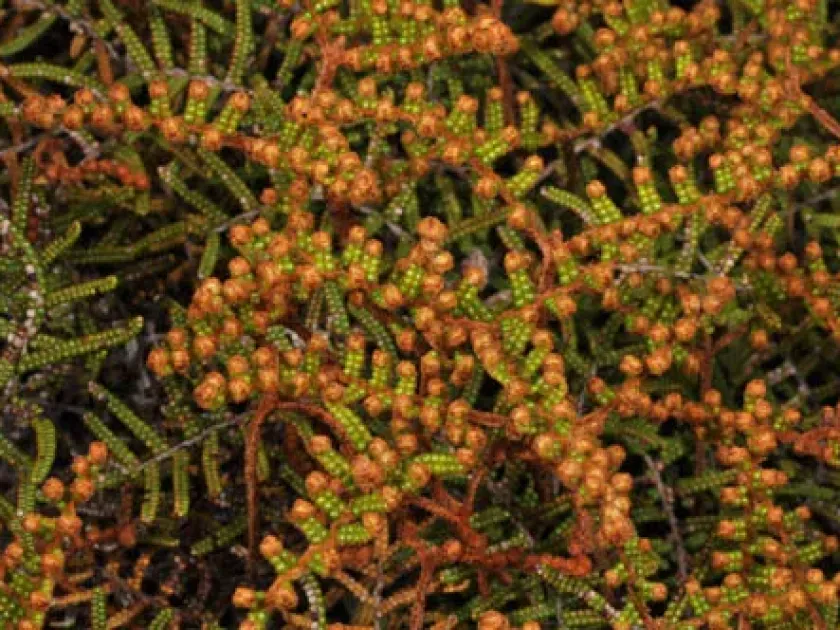
Description
Growing requirements
Hypolaena lateriflora is a perennial herb belonging to the Restionaceae family, native to the southwestern regions of Australia. This plant is known for its structural, rush-like appearance which serves as a unique element in various landscaping designs.
The botanical structure of the plant consists of thin, erect stems and highly reduced leaves. These features represent an evolutionary adaptation to the harsh, nutrient-poor, and well-drained soils found in its natural habitat.
Cultivation requires conditions that mimic its native climate, specifically sandy or gravelly soils with low nutrient levels and a slightly acidic pH. Proper drainage is the most critical factor to prevent root decay.
The plant thrives in environments characterized by Mediterranean-like weather patterns. It is highly resistant to drought but shows poor tolerance for excessive humidity and waterlogged substrates, which can lead to rapid decline.
The primary use of this species is in ornamental horticulture, where it is valued for its unique texture and suitability for low-maintenance, arid-climate garden installations.
Main diseases and pests
The main threats to Hypolaena lateriflora are associated with fungal root diseases caused by improper moisture management and inadequate soil aeration.
Pests are generally limited to common sap-sucking insects that may target young shoots during the active growth period under non-ideal conditions.
Over-fertilization can significantly increase the susceptibility of the plant to diseases, as it is naturally adapted to survive in impoverished soils.
To ensure plant health, gardeners must prioritize maintaining a well-drained medium and providing adequate light exposure to facilitate transpiration.
Monitoring for any discoloration in the basal stems is essential, as this is often the first indicator of systemic pathogenic infection caused by overwatering.