
Polka dot plant
Hypoestes phyllostachya Baker
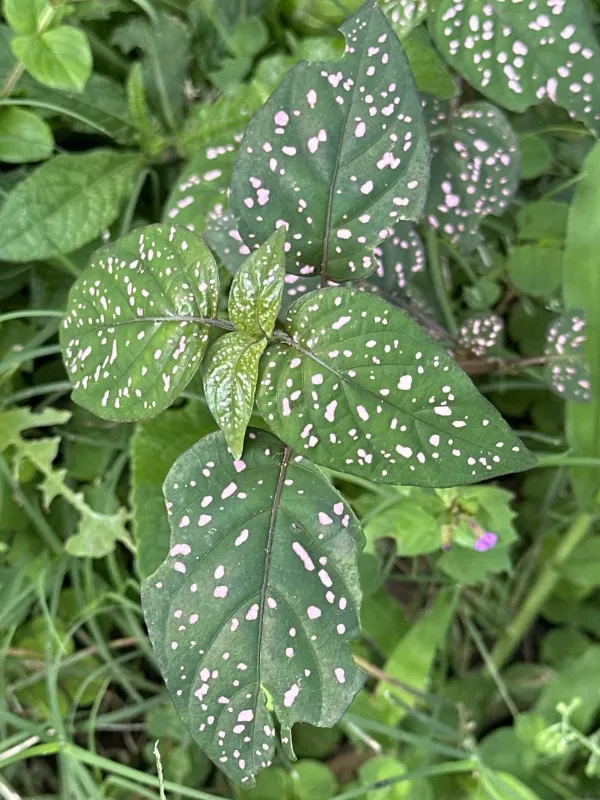
Description
Sowing dates
Hypoestes phyllostachya, commonly known as the polka dot plant, is a member of the Acanthaceae family, often grown as a vibrant ornamental indoor plant.
Seeds should be sown in late winter or early spring using a well-draining, peat-based potting mix to ensure optimal germination rates.
Maintain a constant temperature between 22–25 degrees Celsius and keep the soil consistently moist until the seedlings emerge from the substrate.
Covering the container with a plastic film helps maintain the high humidity levels necessary for the initial development of young plants.
Once the seedlings have reached a sufficient size, they are transplanted into individual pots to provide adequate space for root growth.
Growing requirements
This plant thrives in bright, indirect light; insufficient light levels cause the distinctive colorful spots on the leaves to fade into green.
Optimal growth requires a warm climate with temperatures remaining between 20 and 25 degrees Celsius throughout the active growing season.
Soil requirements include a rich, well-draining potting medium that remains moist but never waterlogged to prevent root decay.
High air humidity is crucial for the health of Hypoestes; regular misting or using a humidity tray is recommended in indoor environments.
Consistent watering using room-temperature water is essential, allowing the top layer of the soil to dry slightly between applications.
Main diseases and pests
Common pests affecting Hypoestes phyllostachya in indoor conditions include spider mites, aphids, and whiteflies, especially when humidity is low.
Root rot is the most significant disease caused by overwatering or poor drainage, which creates an environment conducive to fungal pathogens.
Effective pest management involves regular inspections of the underside of leaves and the application of insecticidal soap or specific pesticides if needed.
Preventative measures such as proper ventilation and avoiding water accumulation on the leaves help in maintaining a disease-free environment.
Isolating newly acquired plants prevents the spread of potential infestations to existing plant collections.
Harvesting
The primary horticultural use of the polka dot plant is as a decorative foliage species valued for its contrasting leaf patterns and colors.
Regular pruning of the stems is necessary to maintain a compact, bushy shape and to prevent the plant from becoming excessively leggy.
Pinching the terminal buds encourages the development of side shoots, resulting in a more lush and aesthetic appearance for the plant.
It is widely utilized in professional landscaping for indoor decor, office spaces, and as a popular choice for terrariums and dish gardens.
With proper care and maintenance, the plant remains a striking visual addition to various interior designs throughout the entire year.