
Hypocyrta
Hypocyrta
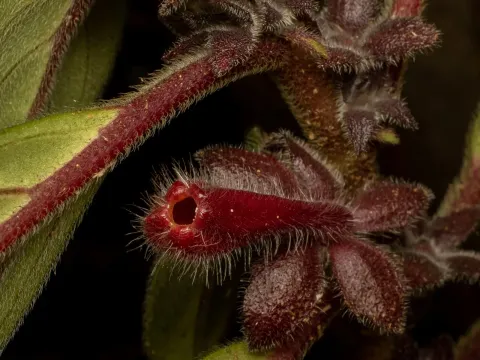
Hypocyrta is a fascinating genus belonging to the Gesneriaceae family, native to the tropical forests of South America. These plants are typically epiphytic, meaning they naturally grow on other plants or trees in moist, shaded environments.
What the section contains

Hypocyrta
The ideal cultivation environment for this plant requires bright, indirect light. Direct sunlight should be avoided as it can scorch the delicate foliage. Temperatures should ideally range between 20°C and 25°C during the growing season.
Soil requirements for Hypocyrta involve a very light, well-draining potting medium. A mixture of peat moss, perlite, and bark or coconut coir is highly recommended to ensure sufficient aeration for the roots.
Humidity is a critical factor for success. These plants thrive in high-humidity conditions, ideally between 60% and 70%. Regular misting or the use of a humidity tray is necessary to prevent the edges of the leaves from turning brown.
Watering should be balanced; the substrate should remain moist to the touch but never waterlogged. It is crucial to use room-temperature, filtered, or distilled water to avoid mineral buildup that can harm the plant's sensitive roots.
Spider mites are the most common pest associated with Hypocyrta, especially when the indoor air is too dry. They feed on the underside of the leaves, causing stippling and eventual leaf drop.
Mealybugs can also infest the plant, usually settling in the leaf axils. If detected, manual removal with an alcohol-dipped swab or the application of horticultural oil can help manage the infestation.
Root rot is a significant threat caused by overwatering or poor drainage. This condition leads to the wilting of the plant and blackened stems, which often requires emergency repotting into fresh soil.
Fungal infections, such as Botrytis, can manifest during periods of high humidity and poor ventilation. Providing better airflow around the plant is the most effective preventative measure against such diseases.
Proper maintenance, including removing dead leaves and keeping the growing area clean, helps minimize the risk of pests and diseases, ensuring the long-term health of the Hypocyrta specimen.