
Hypocyrta glabra
Hypocyrta glabra
Description
Growing requirements
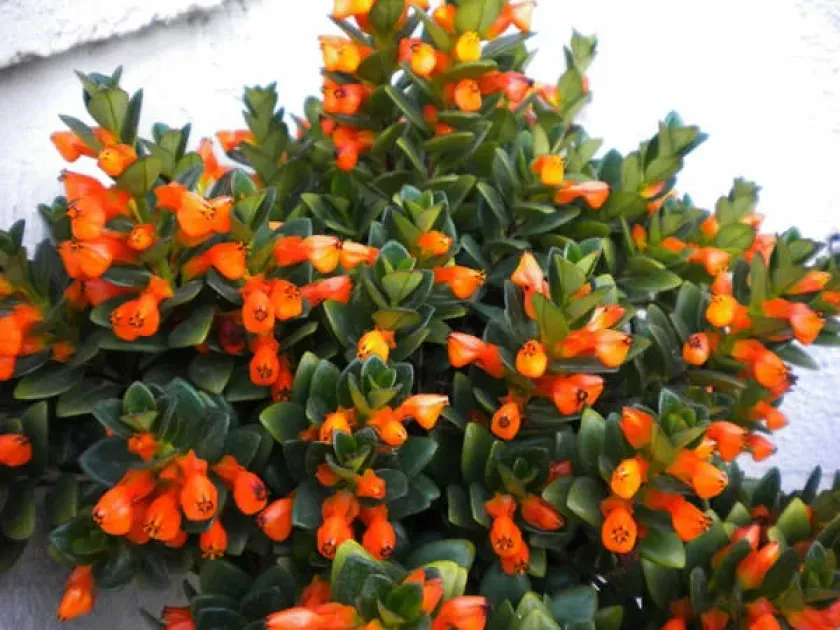
Hypocyrta glabra, taxonomically accepted as Nematanthus glaber, is a charming evergreen subshrub belonging to the Gesneriaceae family. Native to the humid rainforests of Central and South America, it is prized in horticulture for its waxy, glossy foliage and distinctive pouch-shaped flowers.
This crop thrives in warm environments with ambient temperatures ranging between 20°C and 26°C. It is highly sensitive to cold drafts and temperatures falling below 13°C, which can cause significant physiological stress and induce leaf drop during the winter dormancy period.
High humidity is essential for the healthy development of this species. Maintaining a moisture level of at least 60% is recommended, often achieved through greenhouse cultivation or specialized misting systems in indoor settings to prevent the edges of the leaves from crisping.
Soil management requires an epiphytic-style growing medium that is loose, fibrous, and well-drained. A mixture of peat moss, pine bark, and perlite is ideal, ensuring that the roots remain aerated while retaining enough moisture to support active growth during the spring and summer.
Light requirements are moderate, favoring bright, filtered light. While the plant can tolerate lower light levels than some other Gesneriads, optimal flowering is only achieved when it receives several hours of indirect morning sun or high-intensity artificial grow lights.
Main diseases and pests
The primary pest affecting Hypocyrta glabra is the spider mite, which thrives in warm, dry environments. Infestations typically appear on the undersides of leaves, requiring immediate intervention with miticides or increased humidity levels to mitigate the population growth.
Scale insects are another significant threat, attaching themselves to the stems and leaf veins. These sap-sucking pests weaken the plant over time and excrete honeydew, which often leads to the development of sooty mold, further compromising the plant's photosynthetic capacity.
Root rot is the most devastating disease, commonly caused by overwatering or the use of poorly drained, compacted soil. Once the root system is compromised, the pathogen can spread rapidly, causing the entire plant to wilt and collapse within a matter of days.
Botrytis blight may occur in environments with poor air circulation and high humidity, manifesting as gray fungal growth on flowers and foliage. Effective control involves improving ventilation, removing affected parts, and applying copper-based or systemic fungicides.
To ensure plant health, regular monitoring is crucial. Implementing an integrated pest management strategy that includes periodic leaf cleaning, maintaining proper spacing between plants, and adhering to strict irrigation schedules will prevent most of these common horticultural threats.