
Hymenopus heteromorphus
Hymenopus heteromorphus
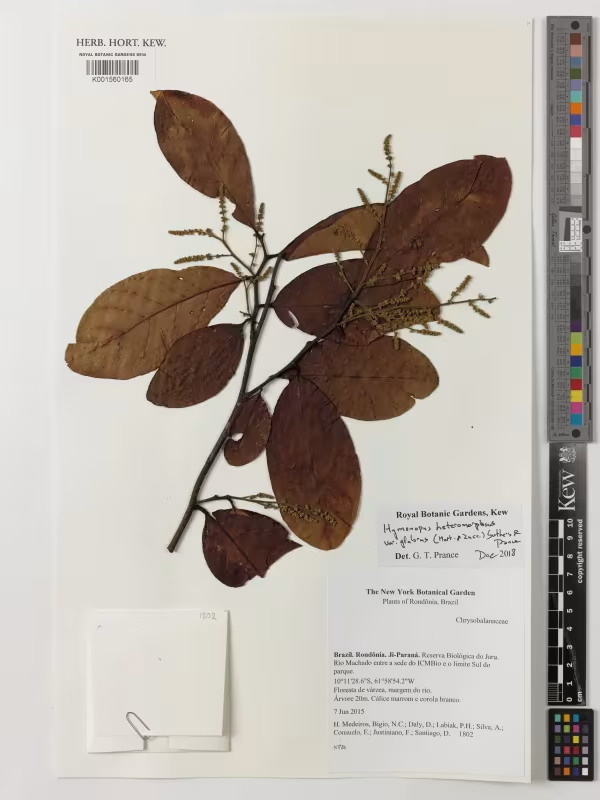
Description
Growing requirements
Hymenopus heteromorphus is a specialized crop requiring precise environmental conditions to thrive. It belongs to a family of plants that are highly sensitive to soil texture and atmospheric humidity, necessitating a controlled environment for commercial-scale production.
Optimal growth is achieved in well-drained, nutrient-rich soils with a slightly acidic profile. The root system is delicate and requires adequate aeration to prevent hypoxia, which means the substrate must remain loose and permeable throughout the entire vegetation cycle.
Regarding light, the species prefers diffused solar radiation. Direct exposure to intense sunlight can degrade the plant's metabolic functions, suggesting the use of greenhouse shading systems to regulate light intensity and protect the delicate morphology of the foliage.
Water management is critical for this species. Consistent moisture levels are required without creating waterlogged conditions that encourage root rot. Modern drip irrigation systems are highly recommended to ensure the substrate remains moist but not saturated, optimizing nutrient delivery.
Nutrient requirements are centered on a balanced application of nitrogen and trace elements. Regular monitoring of the soil solution is essential to adjust fertilization schedules based on the plant's developmental stage, ensuring maximum biomass accumulation and overall crop health.
Main diseases and pests
The primary pest threats include aphids and spider mites, which can cause significant damage to the leaf structure. Integrated Pest Management (IPM) strategies, involving both biological predators and selective botanical insecticides, are standard practice for this crop.
Fungal diseases like downy mildew and root rot represent the main phytopathological risks. These are typically prevented by strict sanitation of the growing environment, maintaining proper spacing between plants, and controlling the vapor pressure deficit in greenhouses.