
Hymenocardia ulmoides
Hymenocardia ulmoides
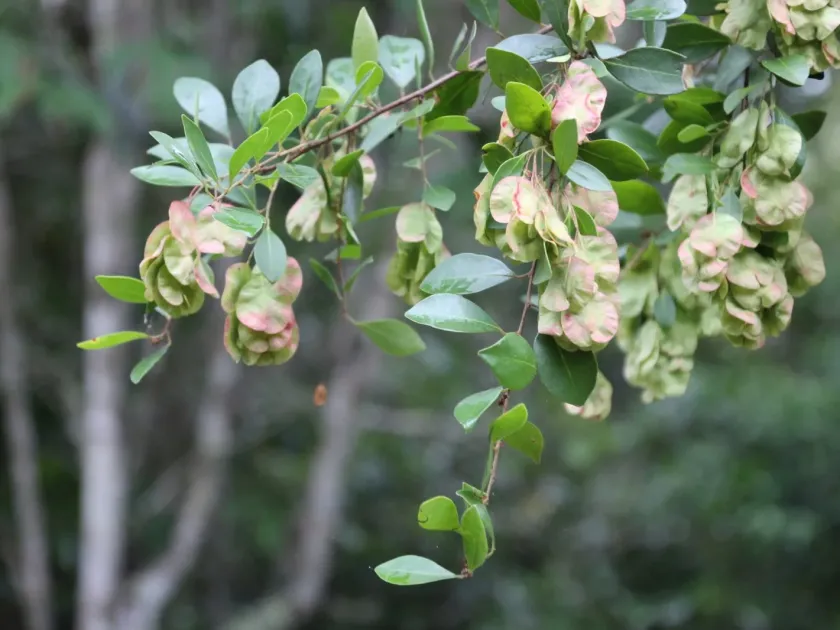
Description
Growing requirements
Hymenocardia ulmoides is a deciduous or evergreen tree belonging to the family Phyllanthaceae. It typically grows as a small-to-medium-sized tree, characterized by its distinctive winged fruits, from which the genus name is derived.
Native to tropical Africa, the species is widespread across various ecological zones, ranging from savannah woodlands to dense riverine forests. It thrives in regions with significant annual rainfall, demonstrating a natural affinity for diverse tropical habitats.
The tree requires well-draining soil to prevent root stagnation, which is essential for healthy development. While it can adapt to various soil types, deep and fertile soils support the most vigorous growth patterns during the rainy season.
Agricultural management includes ensuring adequate spacing between individual trees to optimize light penetration and airflow. Providing sufficient water during the establishment phase is critical, especially when transplanting nursery-grown specimens into the field.
The wood of this tree is highly valued for its durability and hardness. It is frequently harvested for local carpentry, the construction of tool handles, and as a premium source of firewood, as it burns slowly and efficiently.
Main diseases and pests
The primary health risks for Hymenocardia ulmoides include fungal pathogens that exploit high-humidity environments. These infections often manifest as leaf spots or stem cankers, which can compromise the structural integrity of the plant if left unchecked.
Stem-boring insects are significant pests for this species. These larvae create galleries within the woody tissue, which disrupts the flow of nutrients and can lead to the wilting and eventual death of branches or the entire tree.
Leaf-eating insects, such as various species of caterpillars, can cause extensive defoliation. While established trees can usually withstand this damage, nursery stock may suffer severe growth retardation if infestations are not addressed promptly.
Weed management is vital during the early years of plantation establishment. Fast-growing vines and invasive grasses can shade out seedlings, depriving them of the necessary sunlight and water required for rapid maturation.
To maintain plantation health, integrated pest management (IPM) practices are recommended. This includes regular sanitation of the orchard, thinning to improve airflow, and the use of natural predators to control insect populations without relying solely on chemical pesticides.