
Hymenocardia acida
Hymenocardia acida
Description
Growing requirements
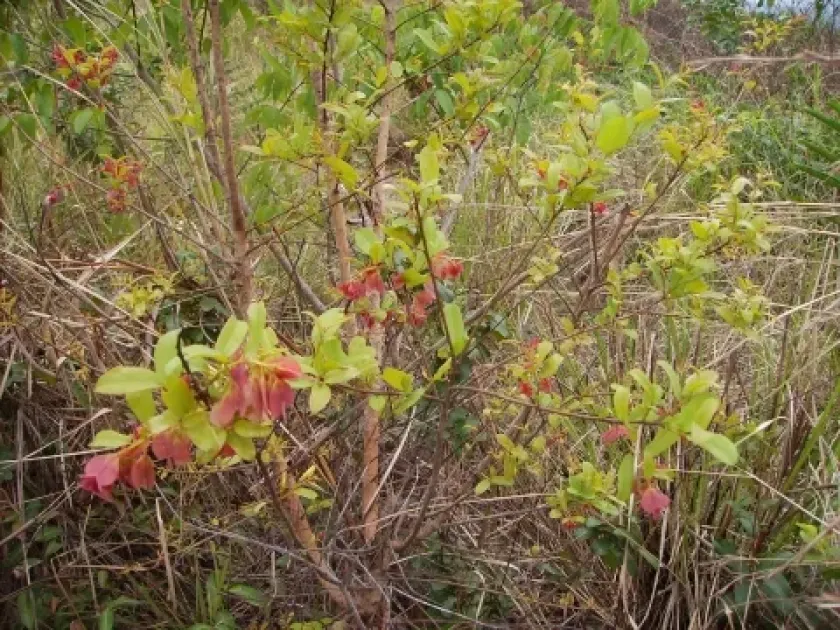
Hymenocardia acida, commonly known as the heart-fruit, is a significant woody shrub or small tree belonging to the Phyllanthaceae family. Native to the savanna regions of tropical Africa, this species is well-adapted to harsh environmental conditions and has been utilized locally for centuries.
The plant thrives in regions with distinct wet and dry seasons. It shows remarkable tolerance to poor soil quality and is frequently found in rocky, sandy, or well-drained acidic soils. This resilience makes it a suitable candidate for sustainable agroforestry systems in challenging tropical environments.
Optimal growth is achieved under full sun exposure and warm temperatures. While it is highly drought-tolerant, its early development phase benefits from moderate moisture, which helps in establishing a deep and robust root system, allowing the plant to survive subsequent extreme dry spells.
Agronomic management involves periodic thinning and pruning to optimize light interception and promote biomass production. Because the tree is capable of resprouting after damage, managed harvesting of its leaves and branches for medicinal or industrial purposes is a sustainable practice.
The economic value of Hymenocardia acida is diverse. Its bark is widely used for tanning, and the timber is prized for its durability and resistance to termite damage. Furthermore, extracts from various parts of the tree are valued in traditional medicine, supporting local pharmaceutical applications.
Main diseases and pests
As with many tropical woody species, Hymenocardia acida faces threats from fungal pathogens that can affect the bark and roots, especially in high-humidity areas. Proper spacing between trees is crucial to ensure adequate airflow and reduce the incidence of moisture-related diseases.
Defoliating insects and lepidopteran larvae can cause significant damage to the canopy during the growing season. Integrated pest management strategies, focusing on the encouragement of natural predators, are recommended to maintain plant health without relying heavily on synthetic chemicals.
Parasitic plants often attach themselves to the branches of these shrubs, diverting nutrients and potentially stunting growth. Regular manual removal of these parasites is a standard cultural practice required to maintain the vigor and productivity of the cultivated stands.
Soil-borne nematodes represent a hidden threat to the root systems in nurseries or heavily replanted areas. Utilizing soil solarization or organic soil amendments can help suppress nematode populations and ensure the successful establishment of young plants.
Improper harvest techniques, such as over-stripping bark, can weaken the tree's immune system and provide pathways for secondary infections. Developing sustainable harvesting protocols is essential to preserve the longevity of the plant and ensure consistent yields over several decades.