
Hymenandra wallichii
Hymenandra wallichii
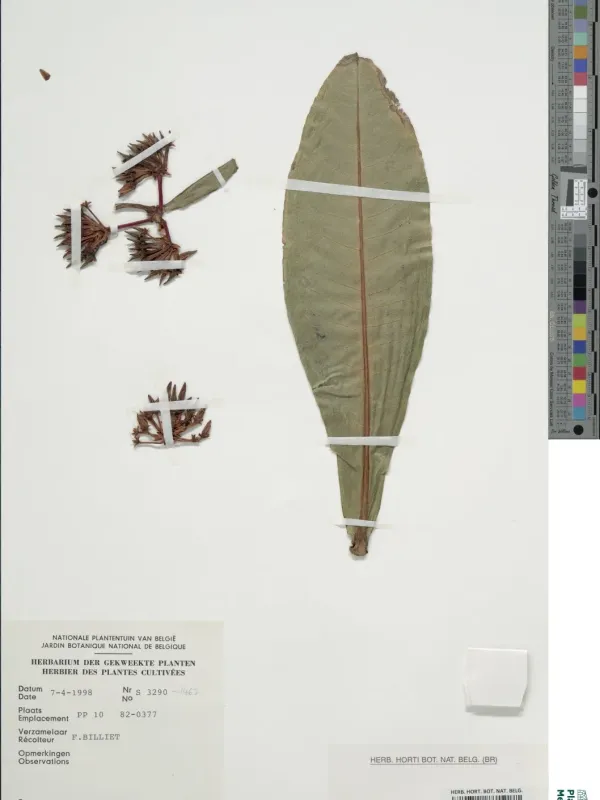
Description
Growing requirements
Hymenandra wallichii is a perennial shrub belonging to the Primulaceae family, native to the diverse and humid forests of Southeast Asia. This species is often noted for its biological adaptation to low-light environments, characteristic of the tropical forest understory.
Botanically, the plant features distinct foliage and inflorescence structures that reflect its evolutionary history within the Primulaceae family. The woody stem architecture allows for consistent growth in stable, warm climates where temperature fluctuations are minimal throughout the year.
Successful cultivation requires a high-humidity environment combined with a well-draining, nutrient-rich substrate. The soil should remain consistently moist but never waterlogged, as the root system is highly susceptible to decay if deprived of oxygen due to compaction.
In terms of light requirements, the species thrives under diffused or indirect sunlight. Exposure to intense, direct radiation can cause significant tissue damage, making shade-cloth or greenhouse environments essential for commercial or scientific propagation.
The agricultural potential of Hymenandra wallichii lies in its unique secondary metabolites and its value in botanical collections. Future cultivation prospects depend on developing specialized protocols that mimic the natural cycle of the tropical rainforest floor.
Main diseases and pests
The most significant threats to the health of this species are fungal pathogens affecting the rhizosphere. Maintaining a sterile growing environment is the primary defense strategy against common soil-borne diseases that thrive in high-humidity setups.
Common horticultural pests, particularly spider mites and mealybugs, represent a recurring challenge in greenhouse production. Regular monitoring of the underside of leaves is necessary to catch and treat infestations before they impact the overall vigor of the plant population.