
Shaded Hylocomiastrum
Hylocomiastrum umbratum
Description
Growing requirements
Hylocomiastrum umbratum is a distinct moss species belonging to the Hylocomiaceae family. It is widely recognized by botanists for its preference for undisturbed and highly shaded forest environments across the Northern Hemisphere.
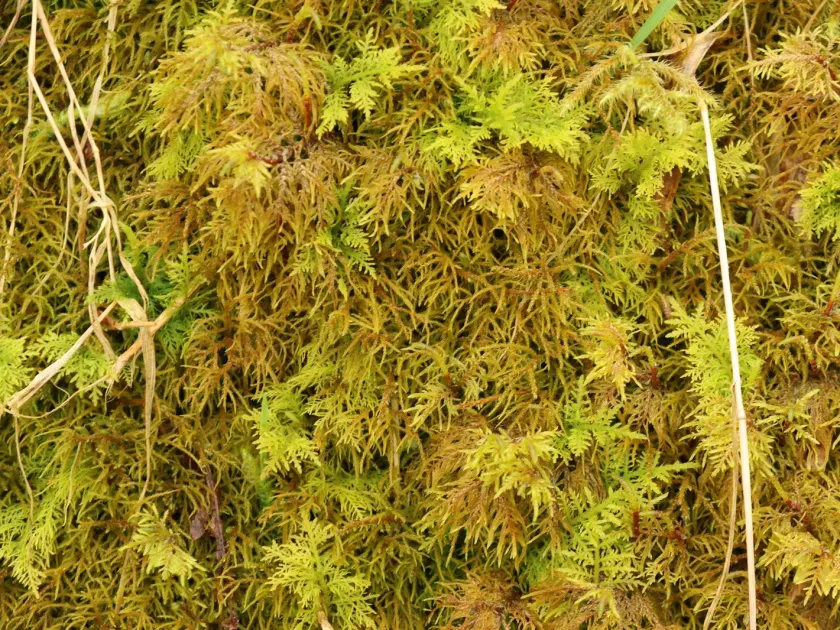
Botanically, the plant features a complex, pinnate branching structure that forms dense mats. This architectural complexity is an evolutionary adaptation that facilitates the absorption of nutrients and water directly from the surrounding forest air.
The climate requirements for this species are strict, as it thrives only in cool, humid, and shaded conditions. It acts as an ecological indicator for old-growth forests where canopy closure prevents rapid evaporation of moisture from the ground.
Regarding soil preferences, this moss thrives on organic-rich, slightly acidic substrates. It is frequently found on decaying logs, stumps, or moisture-retaining forest litter, which provides a steady supply of nutrients throughout the year.
While not a traditional agricultural crop, its ecological role is significant. It protects the soil surface, aids in moisture retention, and provides a complex micro-environment for various microorganisms and soil fauna that sustain forest health.