
Hylocomiastrum pyrenaicum
Hylocomiastrum pyrenaicum
Description
Growing requirements
Hylocomiastrum pyrenaicum is a perennial moss species belonging to the Hylocomiaceae family. While not an agricultural crop in the traditional sense, it plays a vital role in forest ecosystems by acting as a biological sponge that regulates soil moisture and protects the forest floor from erosion.
This species is native to mountainous regions and northern latitudes, being well-adapted to cool, humid climates. It typically thrives in coniferous or mixed forests where the canopy provides sufficient shade and protects the moss from direct sunlight and temperature spikes.
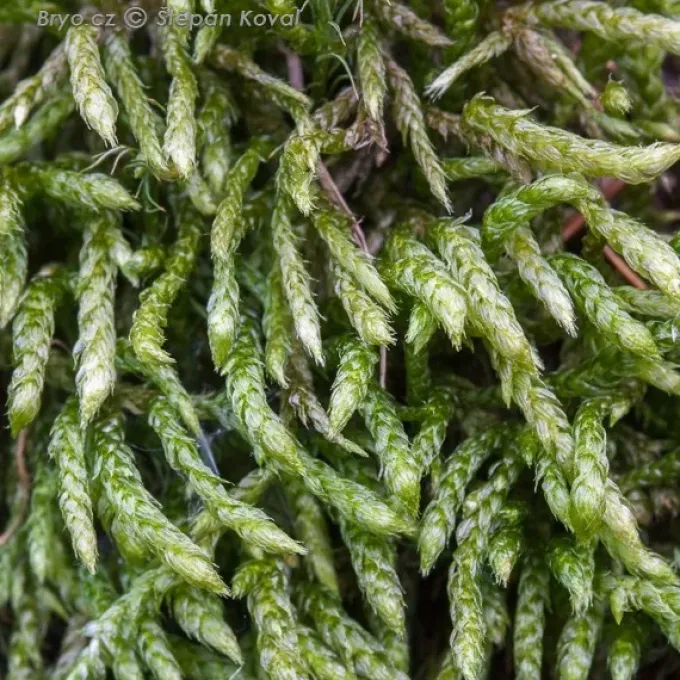
Botanically, it features a pinnately branched stem structure forming dense mats. This architecture is highly efficient for intercepting water from atmospheric precipitation and fog, which is essential for its survival in nutrient-poor forest soils.
The plant requires acidic, organic-rich substrates and is highly dependent on consistent moisture levels. It does not require artificial fertilization, as it absorbs nutrients directly from the air and rain, making it an excellent natural indicator of air quality.
Adaptation to cold winters is a key feature of its biology. It relies on a stable snow cover to insulate against extreme frost, which maintains its metabolic functions during the dormant season. It is not designed for cultivation and does not tolerate soil disturbance.
Main diseases and pests
The primary threats to this species include deforestation and drainage projects that alter the local microclimate. Drying out the forest floor is the most significant factor that leads to the rapid decline of its populations.
Mechanical disturbance from heavy forestry machinery causes irreversible damage to its delicate mat structure. Given its slow growth rate, the recovery of disturbed patches is a process that takes many years, if not decades.
Atmospheric pollution, particularly acid rain and heavy metals, poses a serious threat. As an epigeic moss, it bioaccumulates pollutants, which often results in the tissue necrosis and loss of biodiversity in the local forest patches.
While standard crop pests are not applicable to this moss, pathogenic fungi can affect it under conditions of stagnant water or rotting organic matter. These biological factors are generally secondary to environmental stresses.
Wildfires and overgrazing by wildlife can significantly degrade its habitat. Due to its specific environmental niche requirements, Hylocomiastrum pyrenaicum is unable to adapt to heavily managed agricultural or disturbed landscapes.