
Hygroryza aristata
Hygroryza aristata
Description
Sowing dates
The propagation of Hygroryza aristata is typically initiated at the beginning of the rainy season when water levels begin to rise, creating an ideal environment for establishment. Vegetative propagation using stem cuttings with nodes is the most common and efficient method for establishing new populations.
Sexual reproduction occurs through seeds that exhibit floating capabilities, allowing them to disperse across water surfaces. In an agricultural setting, seeds are collected post-flowering and sown in nutrient-rich silt substrates to ensure rapid germination and growth.
Optimal development requires temperatures ranging between +25°C and +30°C. In regions outside its tropical native range, the plant must be cultivated in greenhouse conditions or controlled aquatic environments equipped with water heating systems.
Planting density should be managed to ensure adequate sunlight exposure. Overcrowding inhibits vertical growth and results in diminished biomass production, so thinning is necessary to maintain the health and vigor of the aquatic crop.
As a true hydrophyte, Hygroryza aristata is highly dependent on constant water saturation. Sustained exposure to dry substrate leads to rapid loss of turgor pressure and eventual plant death, making consistent water management critical.
Growing requirements
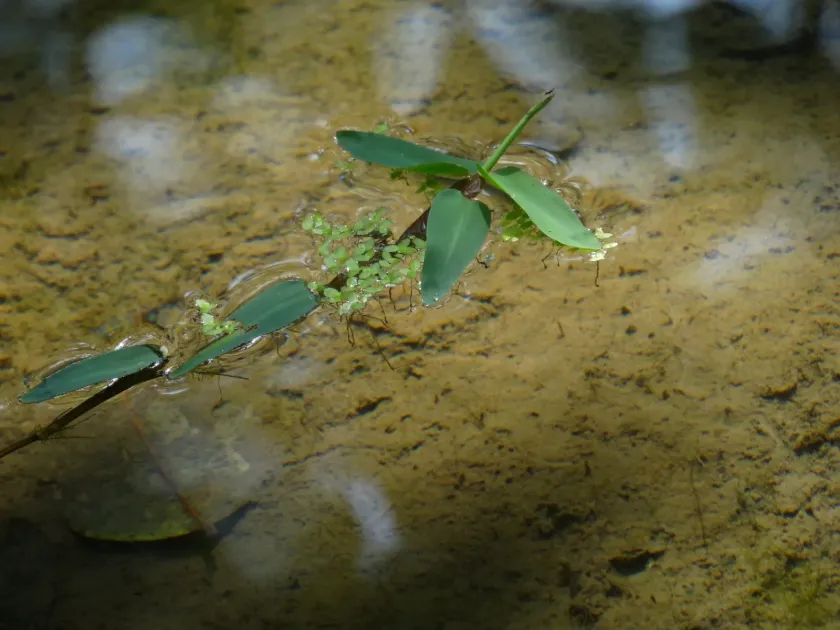
Hygroryza aristata is a perennial aquatic grass belonging to the Poaceae family. It is characterized by its floating habit, supported by specialized aerenchyma (spongy tissue) located within the nodes of the stems, which provides necessary buoyancy.
The plant thrives in stagnant or slow-moving freshwater bodies such as ponds, marshes, and flooded rice fields. It prefers a pH range between 6.0 and 7.5, where nutrient availability is optimal for rapid metabolic activity and vegetative biomass accumulation.
Solar radiation is a primary limiting factor for growth. The plant is highly photophilous and requires direct access to sunlight to sustain its rapid growth rate. Shaded areas significantly impede development and overall productivity.
While the plant absorbs nutrients directly from the water column, it benefits from rooting in silt-heavy or clay-based sediments. These substrates provide the necessary anchorage and contain organic matter essential for robust development.
Its natural distribution encompasses tropical Asia, ranging from India to Southern China. It is highly adapted to tropical climates and maintains metabolic efficiency under high temperatures and consistent day lengths typical of these regions.
Yield
Yield estimation for Hygroryza aristata focuses on total biomass production per unit of water surface area. The harvested greenery serves as a valuable forage additive or organic fertilizer, enriched by the plant’s efficient nutrient uptake from the water.
Under favorable management practices—including nutrient supplementation and ample light—yields are maximized. Productivity depends heavily on the concentration of nitrogen and phosphorus in the water, which fuels the rapid production of new foliage.
Production cycles are optimized through periodic harvesting of mature stems, which triggers accelerated growth of lateral shoots. This strategy prevents the stagnation of the population and ensures a continuous supply of harvestable biomass throughout the growing season.
During periods of cooler weather or reduced solar intensity, growth rates naturally decline, and productivity drops. Strategic planning must account for these seasonal variations to maintain efficient usage of the aquatic acreage.
Quality control during yield assessment involves ensuring that the harvested material is free from debris and other aquatic contaminants. Consistent monitoring of water chemistry is required to sustain high biomass yields throughout the entire year.
Main diseases and pests
Fungal infections are the most prevalent diseases, particularly in environments with poor water circulation or high atmospheric humidity. These pathogens can quickly compromise the floating mat, leading to localized plant decay.
Pests such as specialized larvae and certain aquatic snails can damage the foliage and stems. Biological control, involving the maintenance of a balanced aquatic ecosystem with natural predators, is the preferred method for pest management.
Excessive proliferation of the plant can lead to oxygen depletion in the water column, causing hypoxia. Regular thinning and ensuring proper water movement are essential interventions to maintain the health of the entire aquatic environment.
Competition from invasive aquatic weeds poses a significant risk to the stability of the crop. Vigilant monitoring and manual removal of unwanted species are necessary to protect the integrity of the Hygroryza aristata stands.
The species is extremely sensitive to chemical runoff and synthetic pesticides. Consequently, agricultural management must rely on organic and biological practices to ensure both the survival of the crop and the safety of the aquatic ecosystem.
Harvesting
Harvesting is typically conducted using specialized floating machinery or manual tools designed to lift the floating mats from the surface. The timing of the harvest is crucial, ideally performed just before flowering to maximize nutrient density.
Post-harvest handling must be rapid, as the high water content makes the biomass susceptible to quick fermentation. Drying or ensiling should commence immediately upon extraction to preserve the nutritional value of the harvested plant material.
Proper cleaning of the harvested biomass is required to remove undesirable organisms and extraneous sediment. A well-cleaned product ensures higher market value and utility for feed or fertilizer applications.
The plant's high regenerative capacity allows for multiple harvests in a single season. Leaving a portion of the population intact in the pond facilitates rapid regrowth, ensuring a sustainable cycle of production.
Storage of the processed, dried biomass must occur in cool, well-ventilated structures. This prevents mold growth and preserves the structural and chemical integrity of the material for extended periods of storage.