
Hydrotriche hottoniiflora
Hydrotriche hottoniiflora
Description
Growing requirements
Hydrotriche hottoniiflora is an aquatic plant species belonging to the Plantaginaceae family. Originally native to the freshwater habitats of Madagascar, it has become a popular subject for botanical cultivation in specialized aquaria and aquatic garden systems worldwide.
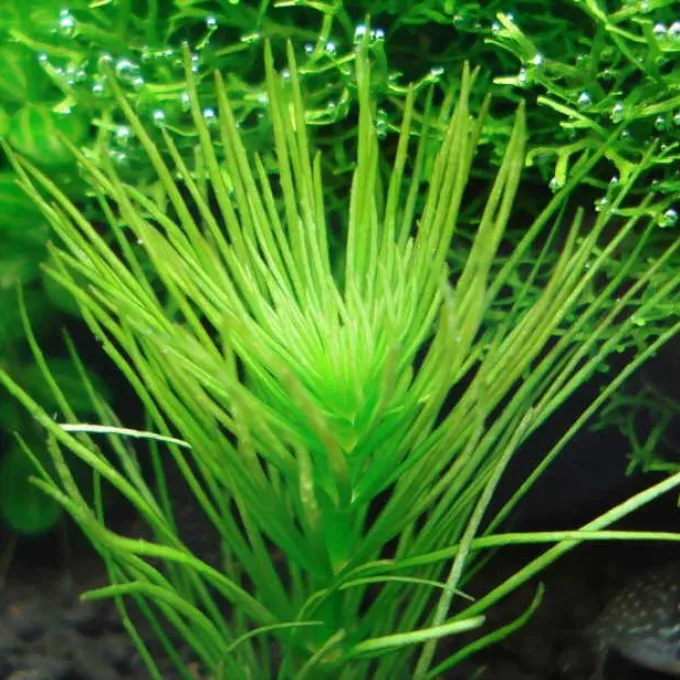
The plant is characterized by its distinct, whorled, finely dissected leaves attached to stiff, upright stems. This morphology gives it a refined aesthetic appeal, making it a sought-after choice for aquascaping, particularly for mid-ground and background placement where its bright green texture stands out.
For optimal growth, the species requires specific environmental parameters, including a water temperature ranging from 22 to 28 degrees Celsius. It thrives in soft to medium-hard water with a slightly acidic pH, mirroring the conditions found in its natural, slow-moving or stagnant tropical habitats.
Light intensity is a critical factor for this culture; it demands high levels of illumination to maintain its compact form and vibrant color. Additionally, the injection of supplemental carbon dioxide is highly recommended to stimulate healthy photosynthesis and accelerate the production of lateral shoots.
In terms of agricultural utility, Hydrotriche is valued for its nutrient uptake capabilities. By efficiently processing nitrogen and phosphorus compounds, the plant serves as a natural biological filter, contributing significantly to the maintenance of healthy water chemistry in closed aquatic ecosystems.
Main diseases and pests
The most common threats to the plant include light deprivation and nutrient deficiencies, specifically iron and magnesium. When these requirements are not met, the plant often develops chlorotic symptoms, with leaf color fading and growth rates dropping significantly.
Unstable water parameters represent a major physiological threat. Rapid changes in pH or water hardness can induce leaf drop and stress the root system, causing the plant to struggle with recovery. Consistent maintenance routines are essential to prevent these adverse environmental fluctuations.
Algal infestation is a significant biological threat. Due to the finely dissected nature of the leaves, they provide an ideal surface for algae to attach. If not managed through proper lighting control and nutrient balance, algae can quickly overwhelm the plant and inhibit its vital metabolic functions.
Mechanical damage from macro-fauna, such as certain species of snails or crustaceans, can compromise the structural integrity of the stems. While not typically a primary killer, such damage can leave the plant susceptible to secondary bacterial or fungal infections that lead to stem decay.
To safeguard the crop, cultivators should employ periodic pruning to encourage dense, healthy growth and remove older leaves prone to decay. Utilizing balanced aquatic fertilizers ensures that the plant has the necessary resources to resist common pathologies and maintain its resilience against environmental stressors.