
Hydrobryum griffithii
Hydrobryum griffithii
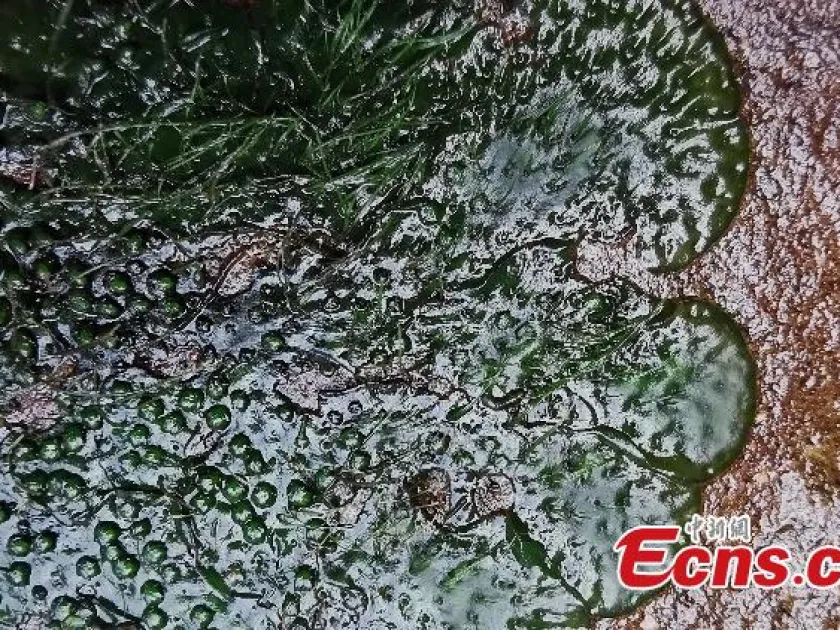
Description
Growing requirements
Hydrobryum griffithii is a highly specialized aquatic plant belonging to the Podostemaceae family. It is distinct for its adaptation to fast-flowing, oxygen-rich mountain streams where it anchors itself firmly to rocky substrates.
The morphology of this plant is essentially thalloid, resembling liverworts in appearance. It has evolved specific anatomical features, such as haptors, which allow it to withstand the constant mechanical stress exerted by the currents of tropical Asian rivers.
In terms of ecological requirements, the species is strictly tied to clear, turbulent waters. It acts as a biological indicator, reflecting the health and purity of the fluvial ecosystems in its native range across India, Myanmar, and Thailand.
From an agricultural standpoint, Hydrobryum griffithii is not a commercial crop. Its value lies primarily in scientific research and its function within natural riparian environments, where it contributes to the complexity of the aquatic habitat.
The cultivation of this species is technically unfeasible in traditional settings due to its extreme dependency on natural hydrodynamics. Any attempts to maintain this species require complex laboratory systems that simulate specific river conditions, including high velocity flow and chemical stability.