
Half-highbush blueberry
Hybrids between Vaccinium corymbosum and Vaccinium angustifolium
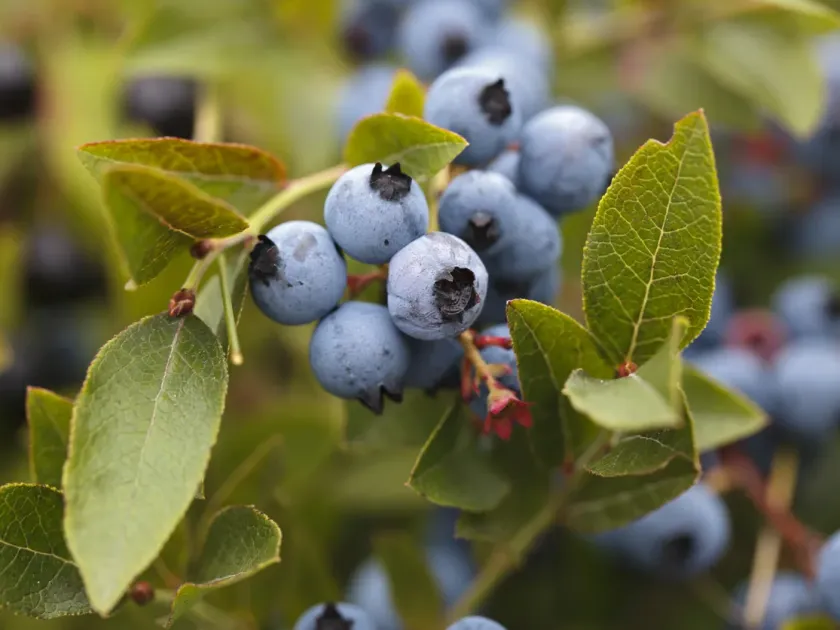
Description
Growing requirements
The most important requirement is a soil medium rich in organic matter, such as sphagnum peat moss or a peat-sand mixture. Soil aeration is critical, as blueberry roots require a constant supply of oxygen and are highly susceptible to damage if the substrate remains waterlogged for long periods.
Full sun is essential for optimal fruit development and sugar accumulation. While the plants can tolerate light partial shade, excessive shading leads to weak, spindly growth and a significant reduction in overall yield. Proper spacing, typically 1–1.5 meters apart, ensures adequate light penetration and airflow.
Consistent moisture is vital throughout the growing season, particularly during fruit expansion. Drought stress can cause immediate drop-off of fruit or stunted growth. Implementing an automated drip irrigation system is the industry standard for maintaining consistent humidity levels at the root zone.
Fertilization must be handled with caution, using only fertilizers specifically formulated for acid-loving plants. Avoid the use of compost, manure, or wood ash, as these materials can raise the soil pH, leading to iron chlorosis and potential long-term damage to the plant's health.
Mulching is a standard practice for maintaining soil acidity and moisture. A layer of pine needles or pine bark is highly recommended, as these materials acidify the soil as they break down while simultaneously suppressing weed growth and protecting the surface root system from extreme temperature fluctuations.
Yield
Half-highbush blueberries are known for their reliable and consistent yield profiles. Once a plant reaches maturity (typically 5 to 7 years after planting), it can produce between 2 and 5 kilograms of berries per season, depending on the specific cultivar and the quality of the maintenance provided.
Fruit ripening typically occurs in waves over a period of several weeks in mid-summer. This staggered harvest is particularly beneficial for small-scale operations and u-pick farms, as it provides a steady stream of fresh produce for customers over a longer sales window.
Cross-pollination is a key factor in maximizing yields. Even though many varieties are partially self-fertile, planting at least two or three different cultivars with overlapping blooming times will result in larger, more uniform berries and significantly higher total fruit sets across the entire field.
Maintenance pruning plays a central role in yield management. By removing old, unproductive wood and thinning out the center of the crown, growers encourage the production of vigorous new canes that will carry the highest yields in the following seasons, ensuring the plant remains productive for decades.
In commercial operations, optimized agricultural practices can lead to yields of up to 8–10 tons per hectare under intensive management. Careful handling during harvest is necessary to preserve the waxy bloom on the berries, which serves as a natural barrier and an indicator of freshness for consumers.
Main diseases and pests
Fungal diseases remain the primary threat to healthy plantations. Phomopsis twig blight is common and can cause the dieback of entire branches. Preventive measures, including the application of copper-based fungicides in the early spring, are crucial for minimizing infection rates.
Root rot, often caused by poor drainage and excessive moisture, is the most common cause of plant failure. Regular monitoring of the soil moisture levels and ensuring the soil remains light and airy is the most effective way to prevent these pathogens from colonizing the root system.
Pests like the white grub, the larval stage of various beetles, can destroy root systems underground. Integrated pest management, including the use of entomopathogenic nematodes or targeted soil insecticides, can effectively manage these populations without disrupting the surrounding ecosystem.
Berry-feeding insects, such as fruit flies, can become a problem as the fruit nears maturity. Utilizing pheromone traps for monitoring allows growers to time their control efforts precisely, often relying on organic-compliant biological controls to ensure the final product is residue-free.
Birds are a significant nuisance for blueberry growers, as they are highly attracted to the sweet, ripening berries. Protecting the crop with netting is the most effective way to prevent major losses, particularly in smaller fields or orchards located near wooded areas where bird populations are high.