
Hybrids of Pyrus pyrifolia and Pyrus ussuriensis
Hybrids between Pyrus pyrifolia and Pyrus ussuriensis
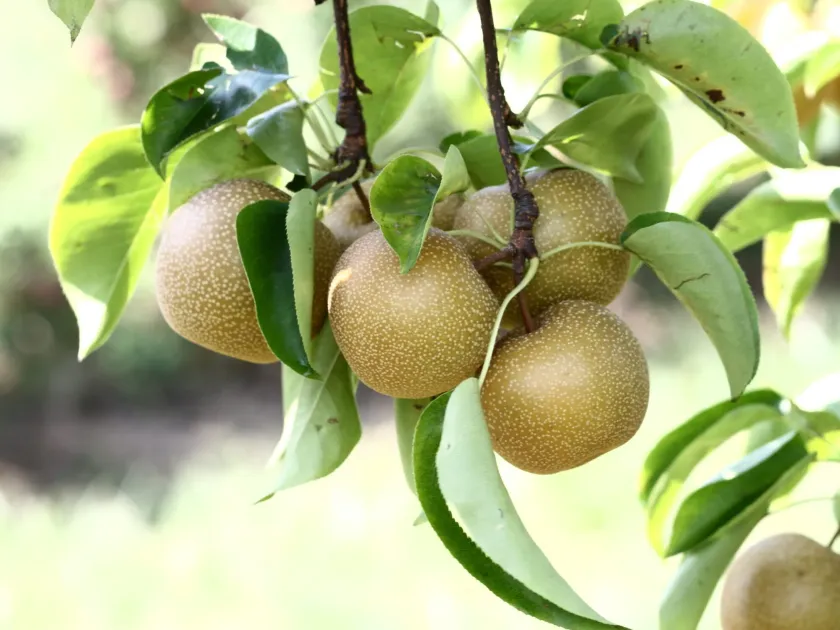
Description
Growing requirements
These interspecific hybrids belong to the Rosaceae family. They combine the extreme cold hardiness of Pyrus ussuriensis with the superior fruit quality and disease resistance often found in Pyrus pyrifolia.
The trees require full sun exposure to thrive and produce high-quality fruit. Site selection should focus on areas with excellent airflow and protection from late spring frosts.
Deep, fertile, well-drained loam or sandy loam soils are ideal. Good soil structure is critical as these hybrids are sensitive to prolonged waterlogging in the root zone.
Adaptability is a key trait of these hybrids, allowing them to flourish in harsh continental climates where common pear varieties would suffer severe winter injury.
Effective management includes maintaining optimal soil moisture during the fruit development stages, which is essential for achieving consistent yield and size.
Yield
These hybrids are prized for their reliable and productive bearing habits. Under favorable conditions, they can start producing significant yields starting from the fourth or fifth year after planting.
The fruits typically feature firm, juicy flesh and good storability, making them highly desirable for commercial production and long-distance transport.
Fruit weight can be significant, often benefiting from the hybridization of larger-fruited cultivars while retaining the toughness of the wild progenitors.
Routine pruning is vital to manage tree architecture, ensuring light penetration throughout the canopy and preventing overbearing, which can lead to biennial bearing.
Balanced fertilization programs, tailored to soil tests, help ensure that the tree maintains the nutrient reserves necessary for sustained annual productivity.
Main diseases and pests
Scab (Venturia pyrina) is the primary pathological threat, particularly in damp climates. Integrated pest management (IPM) strategies, including fungicide rotations, are recommended.
Fire blight can also affect these hybrids, necessitating strict sanitation practices in the orchard, such as disinfecting pruning tools between cuts.
Pests like the pear psylla and various aphids can weaken tree vigor; therefore, monitoring programs should be initiated early in the season to prevent outbreaks.
Mite infestations can cause leaf necrosis and reduced photosynthetic efficiency, requiring targeted acaricide applications if biological control fails.
Keeping the orchard floor clean and removing fallen leaves in autumn helps reduce the inoculum load for fungal diseases in the following year.
Harvesting
Harvesting should be timed based on the shift in background skin color and flesh firmness. Proper harvest timing is crucial to maximize shelf life and storage potential.
Hand-picking during cool morning hours is recommended to minimize heat accumulation in the fruit, which helps slow down respiration rates post-harvest.
Immediate cooling (pre-cooling) is a standard practice for maintaining the quality of these hybrids if they are intended for cold storage over several months.
Sorting and grading should occur immediately after harvest to ensure that only the highest quality fruits are stored, preventing the spread of post-harvest decay.
Proper ventilation during storage is necessary to regulate gas exchange and moisture, ensuring that the fruit remains crisp and flavorful throughout the storage period.