
Astroloba and Haworthiopsis hybrid
hybrids between Astroloba spiralis (L.) Uitewaal and Haworthiopsis limifolia (Marloth) G. D. Rowley
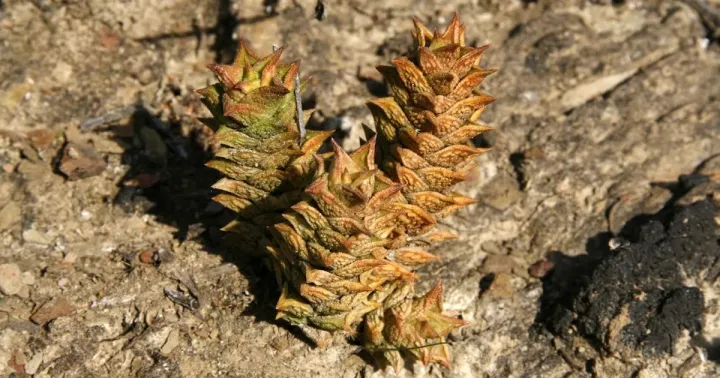
Description
Growing requirements
This intergeneric hybrid belongs to the Asphodelaceae family and represents a specialized cross between succulent species native to Southern Africa. The plant is prized for its architectural form, typically displaying structured, succulent leaves arranged in intricate patterns.
Lighting requirements are specific for this cultivar. It thrives best in bright, indirect sunlight, which allows the plant to maintain its compact growth habit and vibrant leaf color. Exposure to intense afternoon sun can scorch the foliage, while shade may lead to etiolation.
A well-draining potting medium is essential for successful cultivation. The substrate should consist of a mix of potting soil, coarse sand, perlite, or pumice to ensure that water does not remain trapped around the roots for extended periods.
Temperature management is vital during different growth phases. During the active growing season, standard room temperatures are ideal, while a cooler dormant period during winter helps the plant regulate its metabolic processes and prepare for the next season.
Irrigation must be practiced with caution, adhering to the "soak and dry" method. It is important to wait until the soil is completely dry throughout the pot before providing water again, as excessive moisture is the primary cause of plant failure.
Main diseases and pests
Mealybugs and spider mites are the most common pests that affect this hybrid. These insects often settle in the crevices between leaves, making them difficult to detect until the plant starts showing signs of stress.
Fungal rots are the most serious threat to the longevity of the specimen. Overwatering, especially during cooler or darker months, quickly leads to root decay and base rot, which can prove fatal if not identified early.
Effective pest management involves using systemic insecticides and wiping the leaves with a mild soap solution if an infestation is spotted. Maintaining good airflow around the plant significantly reduces the likelihood of pest outbreaks.
Waterlogging must be avoided at all costs. Using pots with drainage holes and choosing the right inorganic soil amendments are the best preventative measures against root-related pathologies.
Monitoring the firmness and color of the leaves is a practical way to gauge plant health. Any sudden softening or discoloration near the base should prompt an immediate check of the soil moisture levels and root health.