
Hyalosepalum caffrum
Hyalosepalum caffrum
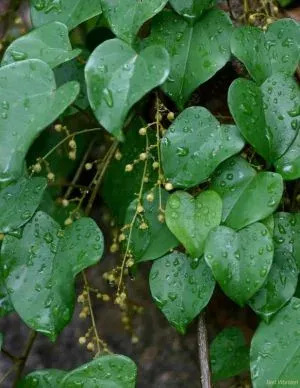
Description
Sowing dates
Hyalosepalum caffrum, a member of the Menispermaceae family, is a climbing vine species native to the African continent. Sowing typically begins with the onset of the rainy season when soil temperatures reach a consistent range of 20 to 25 degrees Celsius.
The seeds possess a hard coat and often benefit from scarification to improve germination rates. Planting should occur at a depth of 2 to 3 centimeters in a well-aerated, fertile substrate that prevents moisture buildup around the embryonic root.
Commercial production methods involve both direct seeding into prepared fields and container propagation for later transplanting. Providing adequate spacing is essential as the plant exhibits vigorous growth that requires substantial surface area for its climbing habit.
In tropical climates, late spring is ideal for establishing the crop, allowing seedlings to strengthen before the peak heat of summer. For controlled environments or greenhouse production, planting cycles can be adjusted for year-round development.
Land preparation should include deep tillage and the incorporation of organic matter, which enhances soil structure and nutrient availability for the developing root systems of the vine.
Growing requirements
This species thrives in warm, tropical, or subtropical environments that provide plenty of sunlight. It is well-adapted to areas with high humidity but requires very effective soil drainage to prevent common root-zone diseases caused by stagnant water.
Soil quality should lean toward neutral or slightly acidic pH levels, rich in nutrients. While the plant can tolerate short intervals of water stress, consistent irrigation is necessary for maximum vegetative development and overall crop health.
As a climbing vine, Hyalosepalum caffrum necessitates structural support such as trellises or vertical stakes. These supports facilitate proper canopy development and ensure that the leaves receive the uniform solar exposure required for photosynthesis.
Temperatures must be kept above freezing, as the plant is highly sensitive to cold spells and frost. Protection from strong, drying winds is also advisable to maintain plant turgor and prevent physical damage to the sprawling stems.
Integrated soil management, including mulching and organic composting, helps maintain moisture levels during the dry season and supports the dense root systems characteristic of this climber.
Main diseases and pests
Fungal pathogens represent the primary threat to Hyalosepalum caffrum, particularly those thriving in damp, poorly ventilated conditions. Root rots are the most common cause of crop loss and are exacerbated by heavy or waterlogged soil types.
Insect pests such as aphids and spider mites can cause significant damage to young leaves and tender shoots during warm, dry cycles. These pests weaken the plant and may serve as vectors for secondary bacterial or viral infections.
Maintaining clear airflow through the vines is a critical preventative measure against disease outbreaks. Regular thinning and pruning of excessive foliage can significantly reduce the pressure from fungal spores and pest colonization.
Chemical control should be limited to the early stages of infestation, with a strong preference for biological alternatives to minimize chemical residues. Regular monitoring for discoloration or wilting allows for prompt intervention.
A rigorous agronomic schedule involving weekly field inspections ensures that any deviations in plant health are addressed immediately, preventing widespread damage and maintaining high yield potential.