
Hunteria umbellata
Hunteria umbellata
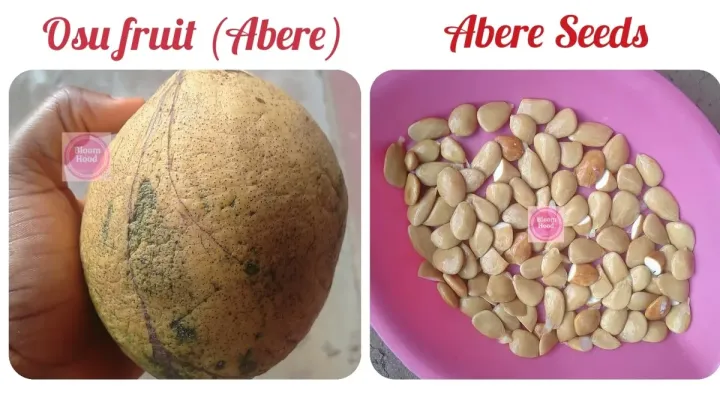
Description
Sowing dates
Hunteria umbellata is primarily propagated from seeds within tropical nursery environments. Seeds possess a hard seed coat, necessitating scarification or soaking treatments to promote uniform and timely germination rates.
The ideal period for sowing coincides with the onset of the wet season, which provides the high humidity necessary for optimal seedling development. Seeds are typically planted in organic-rich potting mixes at a depth of 2 to 3 centimeters.
Germination is temperature-dependent and requires sustained warmth, typically above 25 degrees Celsius, to successfully emerge within a few weeks. Consistent moisture levels in the growing medium are vital for early stage vitality.
Utilizing a container-based nursery method enables the hardening of root systems before transplanting into permanent fields. Seedlings are ready for field establishment once they reach a sturdy height of approximately 15-20 centimeters.
Early acclimatization to partial sunlight is recommended to prepare young trees for full-sun exposure. Proper spacing during transplanting is crucial to ensure adequate airflow and reduce competition for nutrients.
Growing requirements
Hunteria umbellata belongs to the Apocynaceae family and is an evergreen tropical tree indigenous to Western Africa. It thrives in soils that are well-drained and maintain high organic matter content to support healthy biomass production.
The crop demands a tropical climate with high annual rainfall and limited fluctuations in daily temperature. Frost or prolonged cool weather below 10 degrees Celsius will cause irreversible damage to the tree's physiological systems.
Soil pH levels should remain in the neutral range to allow for optimal nutrient uptake. Regular weeding and moisture management are necessary, particularly during the first year of field cultivation to minimize stress on the tree.
While mature specimens are somewhat tolerant of varied light levels, they perform best in conditions that mimic the canopy gaps of tropical forests. Adequate space for the root system is required for long-term survival.
Applying balanced organic fertilizers enhances the production of secondary metabolites in the bark. Soil structure stability and humidity retention are the primary factors for successful orchard management.
Main diseases and pests
The tree may be susceptible to various fungal pathogens that affect the bark if harvesting wounds are not managed correctly. High humidity can sometimes lead to leaf spot diseases if the density of the planting is too high.
Pest pressures include certain stem-boring insects that can damage the internal structure of younger saplings. Regular monitoring of the bark and foliage is essential for early detection of any infestation symptoms.
Root rot represents a significant risk in areas with poor drainage or stagnant water after heavy rains. Proper soil conditioning and site selection are the most effective preventative measures against these soil-borne pathogens.
Competitive weeds can harbor pests and diseases, so maintaining a clean field environment around the base of each tree is a standard agronomic practice. Managing the local microclimate helps in limiting the spread of potential blight.
In cases of severe infestation, targeted biological control methods are preferred to preserve the medicinal quality of the harvested materials. Integrated pest management strategies are advised for sustainable operations.
Harvesting
The medicinal value of Hunteria umbellata is largely concentrated in the bark, which is harvested for its indole alkaloid content. Professional harvesting techniques ensure that only a portion of the bark is removed, allowing the tree to recover.
Leaves are also harvested periodically to study their phytochemical properties. The timing of the harvest is usually determined by the developmental stage of the tree and the desired concentration of active compounds.
Drying the harvested material requires a shaded, well-ventilated area to prevent degradation of temperature-sensitive chemical compounds. Avoiding direct solar exposure during the drying phase is crucial for product quality.
Storage requires cool, dry conditions with protection from atmospheric moisture and pests. Airtight containers are generally utilized to maintain the stability of the bioactive alkaloids over long storage periods.
Post-harvest documentation is standard practice to track the age and harvest frequency of individual trees, ensuring a sustainable rotation cycle for the plantation.