
Humiria balsamifera
Humiria balsamifera
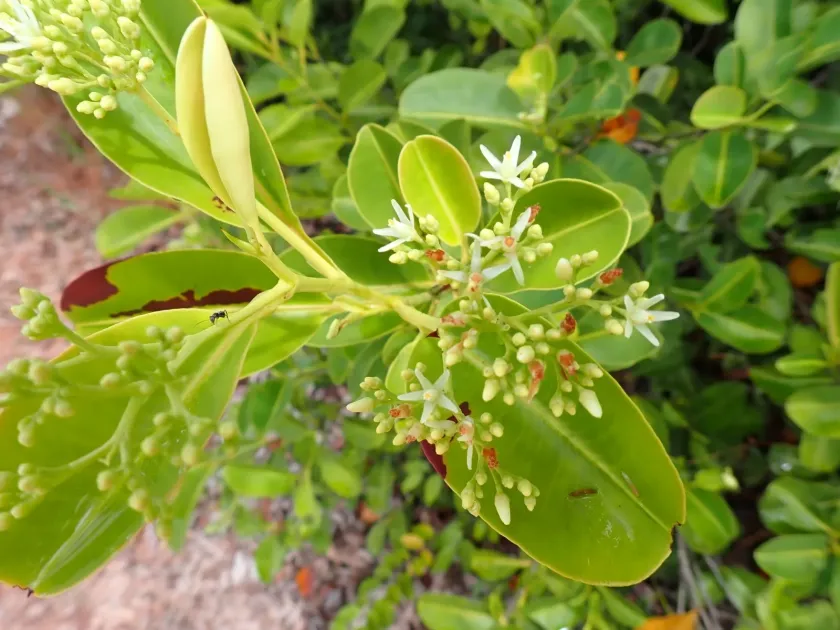
Description
Growing requirements
Humiria balsamifera is an evergreen tree species belonging to the Humiriaceae family. It is native to the tropical regions of South America, primarily flourishing in the rainforests of Brazil, Guyana, and Suriname. The species is well-known for its ability to thrive in nutrient-poor sandy soils.
Climatically, the plant requires a strictly tropical environment. It thrives in high-temperature, high-humidity zones with consistent annual rainfall. It has no tolerance for frost or cool temperate conditions, which limits its commercial range to equatorial zones.
Soil requirements focus on excellent drainage. While it can handle acidic and sandy substrates, it cannot survive in waterlogged environments where root respiration is inhibited. Proper soil aeration is essential for optimal growth and resin production.
Agricultural management is minimal, often relying on harvesting from wild or managed forest stands. Planting involves ensuring adequate light exposure for young saplings, as they require sufficient canopy gaps to reach full maturity.
The tree's economic value is primarily derived from its balsamic resin, known as 'umiri'. This substance is utilized in various industries, including medicine, traditional cosmetics, and perfumery, and the timber is prized for its extreme durability.
Main diseases and pests
Primary threats to Humiria balsamifera populations include invasive wood-boring beetles that compromise the trunk integrity. These pests not only reduce the tree's health but also interrupt the flow of sap, directly impacting the yield of commercial products.
Fungal pathogens pose a significant risk, especially in the high-humidity environments where the trees naturally grow. Infections often enter the tree through improper tapping sites, leading to localized decay and the eventual decline of the specimen.
Deforestation and habitat loss due to land conversion represent the most substantial risks to the survival of this species. Uncontrolled logging for its valuable timber has led to a reduction in mature, productive tree stands in several regions.
Management of these threats includes the implementation of selective harvesting techniques that minimize mechanical damage to the tree. Protecting the bark from unnecessary wounding is critical to preventing fungal colonisation.
Monitoring for signs of pest infestation and conducting sanitation cuts on dead or dying branches can effectively reduce the risk of disease spread within managed forest areas, ensuring the longevity of the stand.