
Humboldtia laurifolia
Humboldtia laurifolia
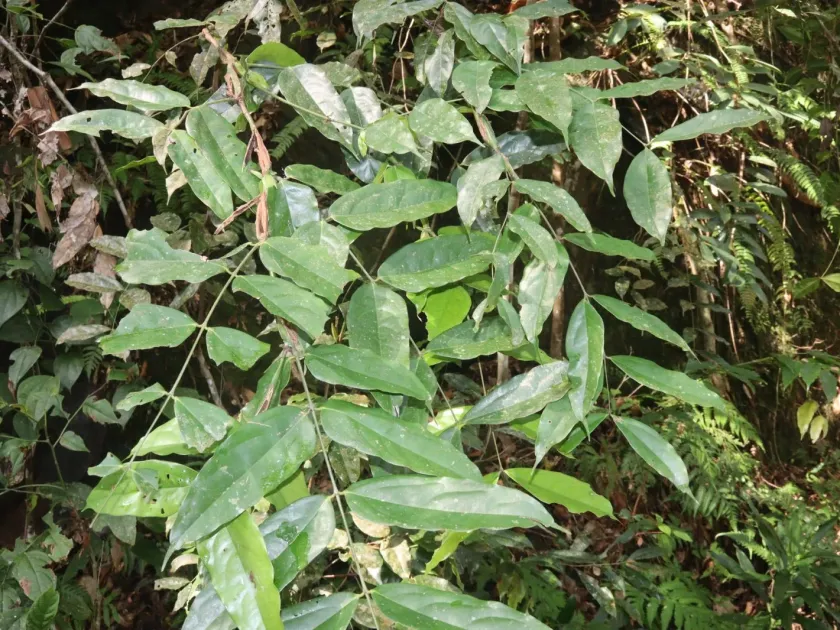
Description
Growing requirements
Humboldtia laurifolia is a tropical evergreen tree belonging to the Fabaceae family. Native to the rainforests of southwestern India and Sri Lanka, this species is well-adapted to high-humidity and high-temperature environments.
The plant is categorized as a myrmecophyte, meaning it has evolved to host colonies of ants within its hollowed-out stems. These ants, in return, provide essential defense against herbivores and potential threats to the tree's foliage.
Optimal growth conditions include fertile, well-draining soil rich in organic matter. Humboldtia laurifolia thrives in environments that mimic its native tropical climate, where temperatures remain consistently between 22 and 30 degrees Celsius.
Botanically, the tree features glossy, lanceolate leaves and axillary inflorescences. It acts as an important component of the local ecosystem, providing both shelter and nutrient exchange through its unique symbiotic relationships.
In terms of horticulture, the tree requires high atmospheric humidity and protection from harsh, drying winds. It does not tolerate prolonged waterlogging, making proper drainage design a fundamental requirement for successful cultivation in controlled environments.
Main diseases and pests
The primary threats to Humboldtia laurifolia include root rot pathogens, which often flourish in waterlogged soils. Ensuring aerobic conditions in the root zone is critical for maintaining long-term plant vigor and preventing fungal infections.
Pests such as scale insects and spider mites can infest the foliage, particularly if the symbiotic ant colony is disrupted. The absence of protective insects leaves the plant vulnerable to rapid colonization by various sap-sucking organisms.
Environmental stress, such as sudden changes in moisture levels or insufficient ventilation, can lead to leaf drop and reduced vitality. Maintaining a stable greenhouse climate is necessary to prevent these physiological responses.
Secondary infections often manifest when the structural integrity of the hollow internodes is compromised. Mechanical damage to these areas acts as an entry point for pathogens, potentially leading to systemic decay within the stem tissues.
Integrated pest management strategies must prioritize the preservation of the plant’s natural defenses. The use of broad-spectrum pesticides should be avoided, as they disrupt the essential symbiosis between the tree and its resident ant species.