
Hulthemia persica
Hulthemia persica
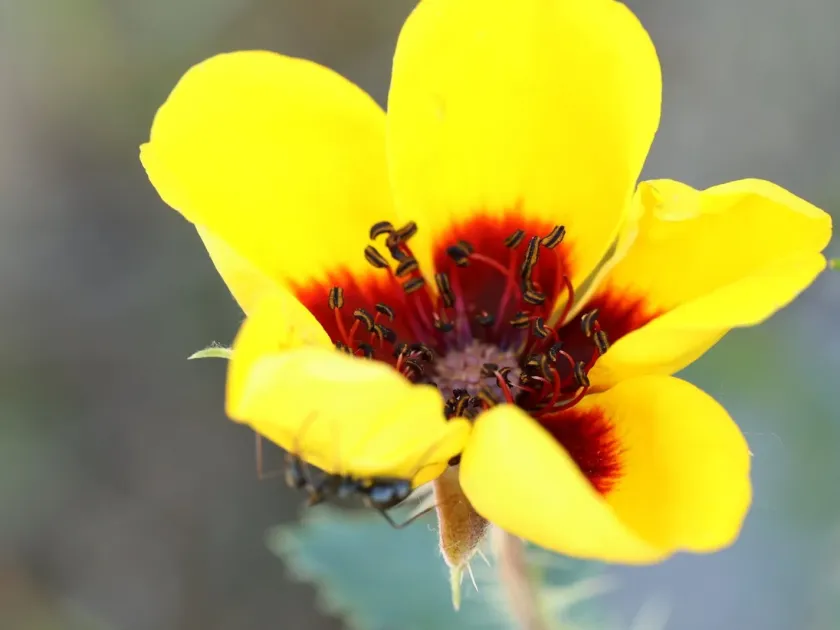
Description
Growing requirements
Hulthemia persica is a distinctive species within the Rosaceae family, notable for its unique botanical features, including simple leaves and solitary flowers with a distinct central blotch. It stands out significantly from the traditional Rosa species in both morphology and environmental adaptation.
Native to the arid regions of Central and Western Asia, particularly in Iran, Afghanistan, and parts of Central Asia, this shrub has evolved to thrive in extreme environments. It is characterized by high drought tolerance and the ability to withstand intense heat and sun exposure.
Successful cultivation requires specific environmental conditions. Well-drained, porous soils are essential; the plant is extremely sensitive to waterlogging, which often leads to root rot. Sandy or gravelly soil profiles that mimic its native habitat are ideal for long-term survival.
Sunlight is the most critical factor for the healthy growth of Hulthemia persica. It requires a full-sun location to maintain its vigor and promote prolific flowering. Shaded areas lead to weak, elongated stems and make the plant highly susceptible to pathogens.
The agronomic management of this species involves minimal irrigation after establishment. Being a xerophytic plant, it relies on its deep root system to access water deep within the soil profile, making frequent irrigation cycles counterproductive for the plant's health.
Main diseases and pests
Powdery mildew is the most prevalent fungal threat to Hulthemia persica, especially in humid or poorly ventilated growing environments. The disease creates a white mycelial layer on leaves, which can severely hinder the plant's photosynthetic capacity.
Black spot is another major concern in regions with high humidity levels. This fungus causes dark spots on foliage, eventually leading to defoliation and a general weakening of the shrub, making it less resistant to cold and drought.
Pest pressures primarily include spider mites, which thrive in hot, dry conditions. They colonize the undersides of leaves, causing yellowing and webbing, which can lead to rapid leaf drop if the infestation is not addressed promptly with appropriate control measures.
Aphids often target young, succulent growth during the early spring flush. While these pests are generally manageable, significant infestations can distort new shoots and weaken the plant's overall development for the rest of the season.
Root system health must be closely monitored, as bacterial infections such as crown gall can occur, particularly if the plant is stressed by improper soil moisture levels. Maintaining good hygiene and avoiding root damage during cultivation is the primary defense strategy.