
Hudsonia ericoides
Hudsonia ericoides
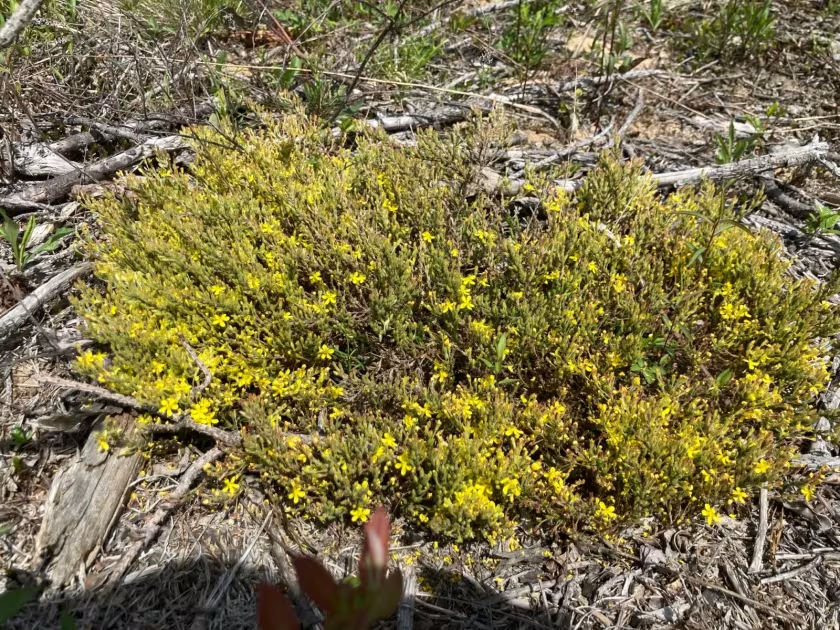
Description
Growing requirements
Hudsonia ericoides, commonly known as pine-barren golden heather, is a low-growing evergreen subshrub belonging to the Cistaceae family. Native to the eastern coast of North America, it is naturally adapted to harsh, nutrient-poor, sandy environments such as dunes and open pine woods.
The plant is highly specialized in its soil requirements, demanding acidic, extremely well-drained sandy soils. It will not survive in dense, moisture-retentive, or alkaline substrates. Maintaining proper drainage is the most critical aspect of successful cultivation.
Sunlight exposure is essential for this species. It thrives in full sun, where it maintains its characteristic dense, cushion-like habit. In partial shade, the stems tend to elongate and lose their aesthetic appeal, becoming prone to rotting due to poor airflow.
Regarding climate, the plant is hardy and adapted to temperate northern regions. While it can withstand cold temperatures, the foliage is sensitive to winter desiccation. In regions with freezing winds and low snow cover, protection with pine boughs is highly recommended.
Fertilization should be avoided. The plant is evolved to extract nutrients from extremely lean soils. Applying standard fertilizers often results in weak, spindly growth and reduced cold hardiness, ultimately making the plant more susceptible to environmental stress.
Main diseases and pests
Root rot is the primary threat to the health of Hudsonia ericoides. This disease is almost exclusively caused by improper irrigation or soil conditions that prevent the roots from drying out between waterings. Maintaining a dry root zone is vital.
Spider mites can occasionally infest the shrub during prolonged periods of hot, dry weather. These pests feed on the sap, causing the foliage to fade in color and eventually drop, which significantly weakens the plant's structural integrity.
Powdery mildew may develop if the plant is grown in cramped quarters where humidity levels rise and air movement is restricted. Ensuring adequate spacing is the best prophylactic measure against such fungal developments.
Overall, this species is highly resistant to pests when maintained in its preferred environment. Most reported issues are symptoms of human error, specifically selecting sites that are too damp or shaded for its physiological needs.
If chemical intervention is necessary, use only specialized horticultural products. Always ensure that the fungicide or miticide is compatible with sensitive, needle-like foliage to avoid chemical burn or phytotoxicity.