
Hubertia ambavilla
Hubertia ambavilla
Description
Sowing dates
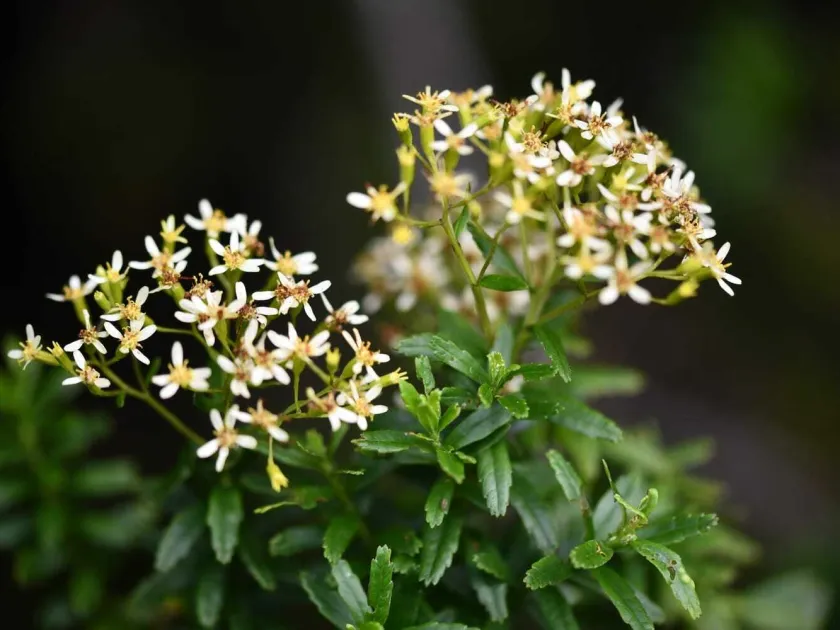
Hubertia ambavilla, commonly referred to as Ambaville, is a woody perennial shrub belonging to the Asteraceae family. It is indigenous to the high-altitude regions of Reunion Island, where it plays a significant role in local ecosystems.
Cultivation of this species begins with seed sowing in a controlled environment, typically during the late winter months to allow for early establishment.
The seeds require high-quality, well-draining substrate and are sensitive to depth; covering them thinly with vermiculite helps maintain optimal moisture for germination.
Propagation through semi-hardwood cuttings is an efficient alternative to seed propagation, ensuring the uniformity of the crop and faster maturation rates.
Young plants should be hardened off before being transitioned to outdoor beds, as they are susceptible to sudden changes in temperature and humidity levels.
Growing requirements
The plant thrives in cool, humid environments reminiscent of its native mountain habitat. It requires a stable climate and performs best in areas with moderate diurnal temperature swings.
Soil requirements involve a rich, slightly acidic to neutral medium that offers excellent drainage to prevent root suffocation, which is a common issue for this species.
Consistent moisture is essential, yet the root system must be protected from waterlogging; raised beds are recommended for field cultivation to assist in drainage.
Hubertia ambavilla demands bright, filtered sunlight, as intense direct tropical sun can damage the foliage and induce physiological stress in younger specimens.
Optimal atmospheric humidity for growth is between 60% and 75%, which mimics the misty conditions of its natural cloud forest distribution.
Yield
The economic focus for Hubertia ambavilla is the harvest of its foliage, which is esteemed for its traditional medicinal properties and chemical composition.
Yields are optimized by implementing a structured pruning program that encourages dense vegetative growth and maximizes the surface area for leaf development.
Commercial plantations can expect sustainable yields after the third year, provided the bushes are maintained with adequate organic fertilization and proper spacing.
Regular maintenance of the plant architecture allows for multiple harvests throughout the growing season without compromising the health of the individual shrub.
Proper harvest management, including selective picking rather than mass harvesting, extends the productive lifespan of the plant to several years.
Main diseases and pests
The most significant threats to Hubertia ambavilla are fungal pathogens, particularly those affecting the root zone during extended periods of high humidity.
Common pests include spider mites and aphids, which gravitate towards the soft, tender growth of new leaves, especially in greenhouses or poorly ventilated areas.
Root rot, driven by stagnant soil conditions, is the primary reason for crop loss and is difficult to treat once the symptoms become clearly visible.
Mildew can occur during damp seasons if airflow around the canopy is restricted; regular thinning and pruning are necessary preventive measures.
Integrated pest management, focusing on biological controls and environmental sanitation, is highly effective in mitigating these threats without excessive chemical use.
Harvesting
Harvesting should be timed to coincide with the periods when the plant's essential oils are most concentrated, usually in the early morning after the dew has evaporated.
The leaves are harvested by hand or using sterilized shears to ensure clean cuts, which minimizes the risk of infection at the wound site.
Post-harvest, the foliage must be dried in a shaded, well-ventilated location to preserve its aromatic profile and active phytochemical compounds.
Temperature control during the drying phase is critical; it must remain below 40 degrees Celsius to prevent the degradation of heat-sensitive compounds.
Once dried to the desired moisture level, the product should be packed in breathable, light-proof containers to maintain quality for up to 18 months.