
Howittia trilocularis
Howittia trilocularis
Description
Growing requirements
Howittia trilocularis, commonly known as the Blue Howittia, is a distinct shrub belonging to the Malvaceae family. Native to the southeastern regions of Australia, it thrives in cool to temperate forest understories, showcasing a natural grace typical of the continent's flora.
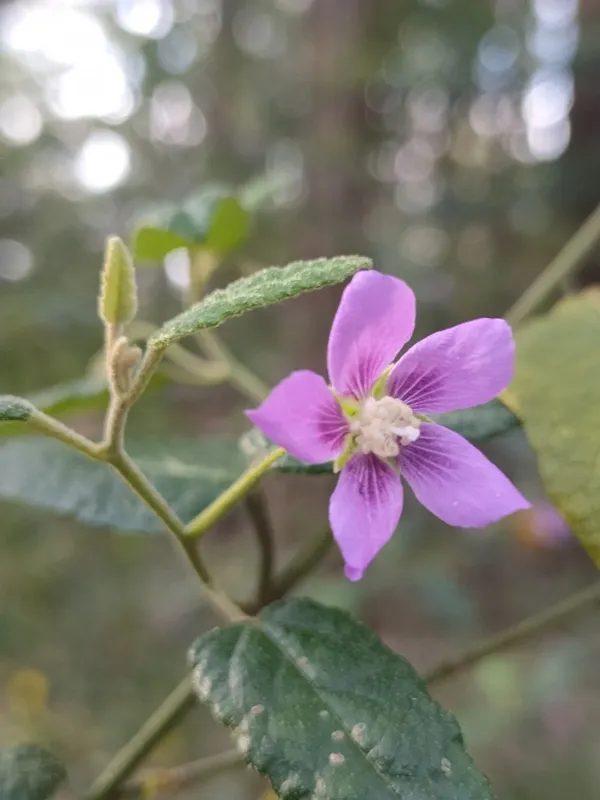
The plant features alternate, softly pubescent leaves and attractive, violet to mauve flowers with five petals. Its botanical name refers to the three-celled capsules that develop after successful pollination, a key diagnostic feature for the species.
Cultivation requires well-drained soil rich in organic matter. While it is adaptable, it performs best in slightly acidic to neutral soil conditions. Proper site selection is crucial, as the plant does not tolerate waterlogging and requires efficient drainage systems.
The species prefers a semi-shaded environment, mimicking the dappled light of its natural woodland habitat. In gardens, it benefits from mulch applied around the root zone, which helps regulate soil temperature and retain moisture throughout the warmer months.
Regarding its хозяйственне (practical) use, Howittia trilocularis is primarily utilized as an ornamental shrub in native-themed gardens. Its longevity and aesthetic appeal make it a favorite for hedging or as a focal point in borders where moderate water availability can be managed.
Main diseases and pests
The primary concern for this shrub is fungal pathogens, such as Phytophthora, which can strike if the soil remains waterlogged. Ensuring good air circulation and avoiding overhead watering can drastically minimize the risk of developing these infections.
Pests like spider mites or aphids may appear during periods of heat stress. Regular monitoring of the foliage and timely intervention using organic horticultural oils or insecticidal soaps can help manage these infestations without harming the plant's delicate tissues.