
Japanese raisin tree
Hovenia acerba
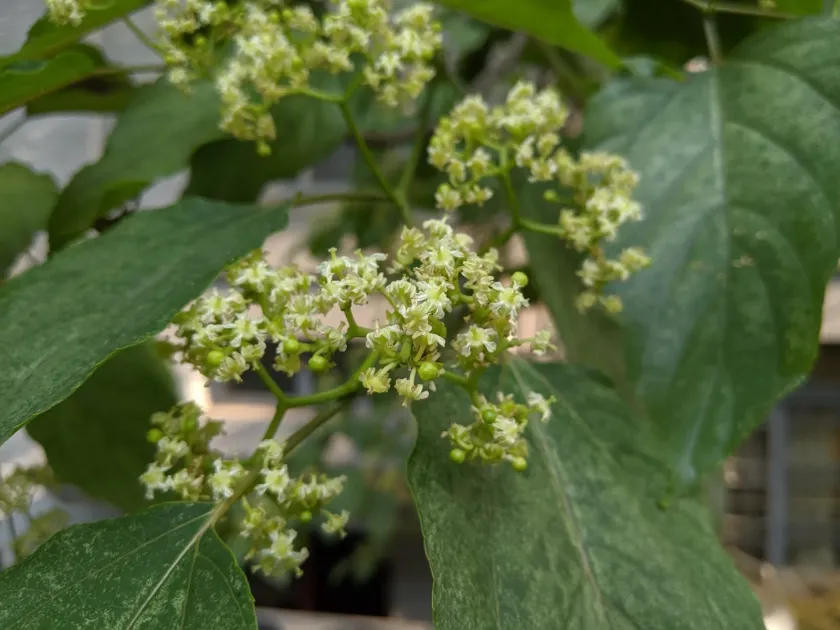
Description
Growing requirements
The Japanese raisin tree (Hovenia acerba) is a deciduous tree belonging to the Rhamnaceae family. It is native to various regions of East Asia, including parts of China, Japan, and the Korean Peninsula, where it thrives in warm, temperate climates.
This species requires a location with full sun exposure to achieve optimal growth and fruit production. It is sensitive to harsh winds, so choosing a sheltered site is essential for establishing young trees successfully.
The tree prefers deep, fertile, and well-drained loamy soils. It is highly intolerant of waterlogged conditions, which can lead to root rot; therefore, soil aeration and proper drainage are critical components of the site selection process.
While mature trees exhibit moderate cold hardiness, young plants are vulnerable to freezing temperatures and frost damage. In regions with harsh winters, protection such as trunk wrapping or mulching is recommended for the first few years.
Cultivation practices involve regular irrigation during the initial establishment phase and throughout the growing season. While the tree can tolerate occasional dry spells once mature, consistent moisture helps maintain vigor and productivity.
Yield
The primary economic value of the Japanese raisin tree comes from its swollen, fleshy peduncles (fruit-stalks). Once the actual small fruit capsules mature, these stalks become sweet, edible, and are often consumed fresh or dried.
Yields are significant, with a mature tree capable of producing substantial quantities of edible stalks. These are prized not only for their flavor, which resembles raisins with a pear-like undertone, but also for their traditional medicinal uses.
The timber of Hovenia acerba is highly regarded in fine woodworking and furniture manufacturing. It is durable, features a fine grain, and is resistant to rot, making it a sustainable choice for high-quality wood products.
The tree serves as an excellent nectar source for honeybees. Its late-season flowering period provides critical forage for pollinators, leading to the production of high-quality, fragrant honey that is popular in Asian markets.
Ongoing research into the phytochemical properties of the plant has revealed potential health benefits, including compounds that may assist in liver protection and metabolic health, driving further interest in its cultivation.
Main diseases and pests
The Japanese raisin tree is generally considered to be robust and resistant to many common fruit tree pathogens. However, improper site drainage remains the primary threat to overall plant health, often predisposing trees to fungal infections.
Pests such as aphids and leaf-eating beetles may occasionally infest the foliage, particularly during the lush spring growth phase. These infestations can impact photosynthesis and weaken the tree if left unchecked for long periods.
Good orchard hygiene is essential to prevent the spread of diseases. This includes regular pruning to remove dead or diseased branches, which ensures sufficient airflow and light penetration throughout the tree canopy.
Integrated pest management (IPM) strategies, including the use of biological controls, are recommended for maintaining tree health. Monitoring for signs of boring insects in the trunk is also a necessary part of long-term care.
Healthy, well-nourished trees demonstrate much better resilience against both biotic and abiotic stressors. Providing a balanced soil environment is the best prophylactic measure against long-term vitality loss.
Harvesting
Harvesting the Japanese raisin tree occurs in late autumn, typically after the first frosts. Frost exposure is believed to enhance the sugar concentration in the peduncles, resulting in a more intense and pleasant flavor profile.
The peduncles are harvested by hand to ensure the delicate structures remain intact. Care must be taken not to damage the fruiting spurs, as these structures are necessary for the development of the following year's crop.
Post-harvest management involves cleaning and drying the stalks. Drying concentrates the sugars and develops a flavor profile similar to dried raisins, allowing for stable storage and commercial transport.
Storage facilities must be kept dry and well-ventilated to prevent moisture buildup. High humidity can lead to fungal growth on the sweet stalks, which would compromise the quality and safety of the final product.
Efficiency in harvesting is key to maintaining product quality. Producers often focus on timely collection to ensure the fruit-stalks do not dry out or drop prematurely due to excessive wind or late-season weather patterns.