
Wood barley
Hordelymus europaeus
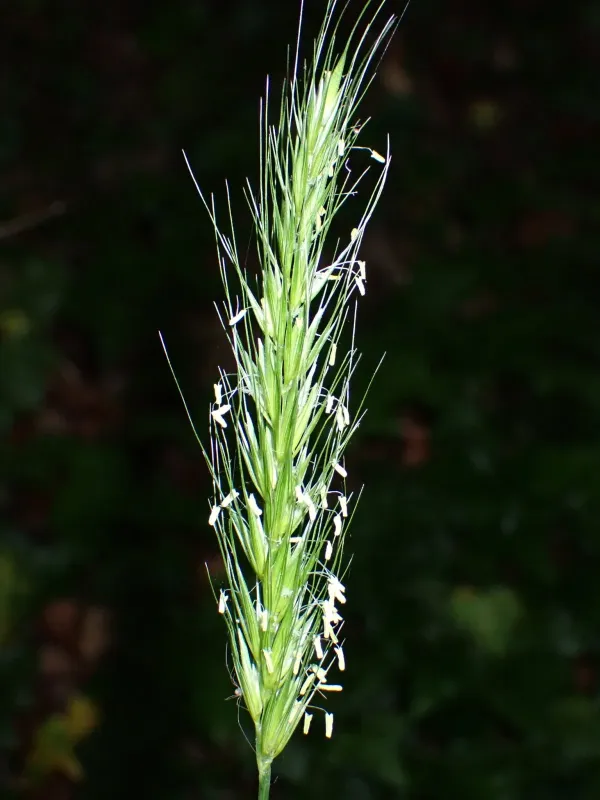
Description
Growing requirements
Wood barley (Hordelymus europaeus) is a perennial grass species belonging to the Poaceae family. It is native to the forests of Europe and parts of Western Asia, traditionally thriving in shaded, cool, and humid woodland environments.
The crop prefers fertile, well-drained soils that are rich in organic matter. Unlike many commercial grasses, Hordelymus europaeus is highly shade-tolerant, making it a unique asset for agroforestry systems where light availability is limited.
Climatic requirements focus on steady moisture levels throughout the growing season. The plant does not tolerate prolonged drought, which can significantly stunt its growth and reduce the quality of the foliage.
Regarding soil pH, wood barley shows a distinct preference for neutral to slightly alkaline soils. It is particularly responsive to the presence of calcium and suffers when the soil becomes excessively acidic.
Agronomic management of this species involves maintaining appropriate soil moisture and avoiding excessive soil compaction. Its ability to create dense sod helps protect the ground from erosion in hilly or sloped terrains.
Main diseases and pests
Wood barley is susceptible to a variety of fungal diseases, particularly rusts and leaf spots that thrive in humid and poorly ventilated microclimates. These diseases can negatively impact the yield of the biomass.
Pests such as aphids and various types of grass flies pose a threat to young seedlings and lush foliage. Regular scouting is essential to identify infestations before they reach economic thresholds.
Powdery mildew is another concern, especially in dense stands where air circulation is restricted. Preventive measures should focus on optimal seeding rates to ensure the health of the canopy.
Root pathogens may arise in waterlogged soils, making proper drainage design a fundamental requirement for successful cultivation. Avoiding over-irrigation is a primary strategy for mitigation.
Biological monitoring is recommended for sustainable management of the crop. Promoting natural enemies of the pests is highly encouraged to maintain the ecological balance within the planting area.