
Hoodia currorii
Hoodia currorii
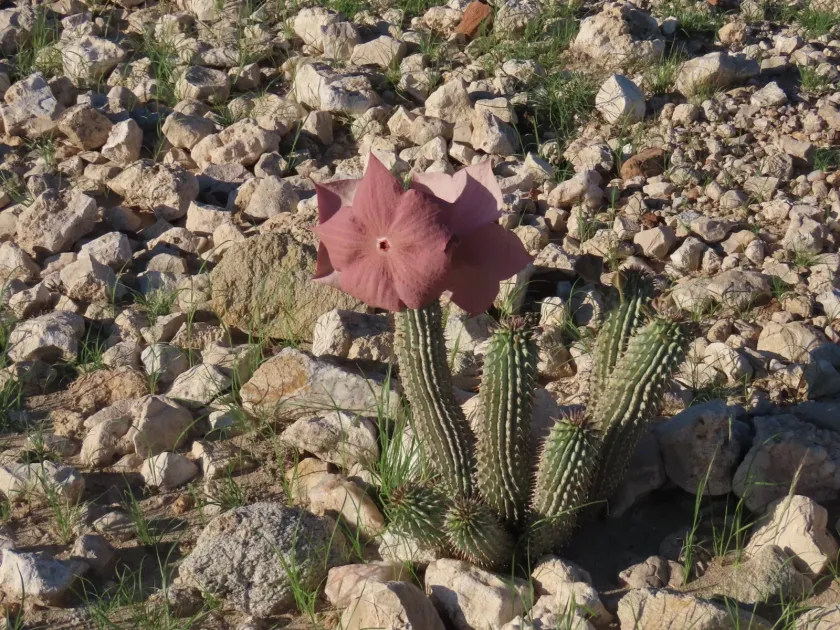
Description
Growing requirements
Hoodia currorii is a succulent perennial belonging to the Apocynaceae family, native to the arid landscapes of Namibia and South Africa. This plant is characterized by its succulent, spiny, and multi-ribbed stems, which have evolved to store significant amounts of water for survival in extreme desert heat.
For successful cultivation, the plant requires high light intensity, ideally direct sunlight for most of the day. In regions with limited natural light, artificial supplemental lighting is mandatory to prevent etiolation and maintain the structural integrity of the stems.
Soil requirements focus on extreme drainage and mineral content. A typical substrate for Hoodia consists of a mix of coarse sand, perlite, and small amounts of pumice, keeping organic matter to a minimum to ensure rapid water runoff from the root zone.
Temperature management is crucial, with an active growing period between 25°C and 30°C. During the winter dormant phase, temperatures should be lowered to approximately 10–12°C, which helps the plant reset its metabolic processes and prepare for the spring growth cycle.
Watering practices must be strictly controlled, allowing the soil to dry completely before any moisture is applied. Excess water in the substrate creates an anaerobic environment that quickly leads to root rot and fatal stem infections.
Main diseases and pests
Fungal rots represent the primary pathological threat to Hoodia currorii, usually triggered by overwatering or insufficient ventilation. Once rot reaches the core of the stem, the plant typically becomes impossible to save due to the rapid spread of necrosis.
Mealybugs are the most common insect pests, often hiding in the deep ridges of the stems where they are protected from contact sprays. Systemic insecticides are highly recommended to effectively control these pests throughout the growing season.
Spider mites can become a problem in low humidity conditions, causing yellowish discolored spots and damage to the plant's surface. Regular checks and increasing air circulation can significantly reduce the risk of spider mite infestations.
Root mealybugs can destroy the root system without obvious external signs on the stems until the plant starts to wilt. Using appropriate soil drenches during the repotting process helps keep the root zone protected from these destructive pests.
Physical damage to the stems caused by mishandling or sudden swelling can create entry points for opportunistic bacterial pathogens. It is essential to treat any mechanical wounds with sulfur powder or specialized fungicides to prevent infection.