
Chinese hat plant
Holmskioldia sanguinea
Description
Growing requirements
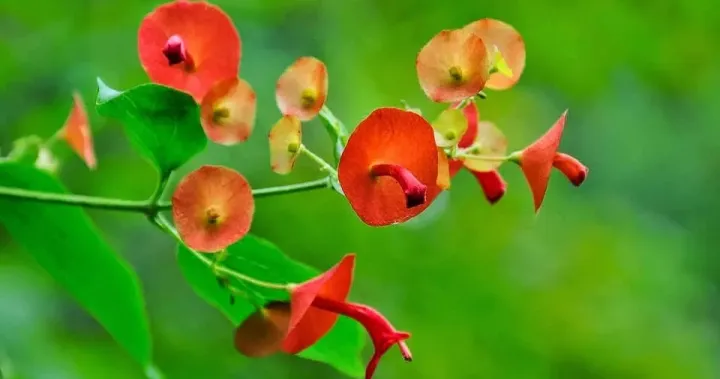
The Chinese hat plant (Holmskioldia sanguinea) is a distinctive flowering shrub belonging to the Lamiaceae family. It is widely recognized for its unique calyx, which resembles a traditional Chinese hat, and its vivid red or orange tubular flowers.
Native to the Himalayan region and parts of Southeast Asia, this plant thrives in tropical and subtropical environments. It requires constant warmth and is highly sensitive to frost, which limits its outdoor cultivation to frost-free climates.
Successful cultivation requires well-drained, fertile, and slightly acidic soil. In pots, a mix containing peat, perlite, and organic compost is recommended to ensure both moisture retention and proper root aeration.
The plant demands a bright location with filtered sunlight. Intense direct sun can cause leaf scorch, while too much shade often results in leggy growth and significantly reduced floral display.
Maintenance involves routine pruning to manage the shrub's size and shape. Regular feeding with balanced liquid fertilizer during the growing season is essential to sustain its vigorous bloom cycle.
Main diseases and pests
The primary pests affecting Holmskioldia sanguinea include aphids, spider mites, and scale insects. These pests often congregate on the undersides of leaves or along stems, weakening the plant by sucking its sap.
Root rot is the most common disease, almost exclusively caused by overwatering or poor drainage. Once root decay starts, it can be difficult to manage, making preventative soil management critical.
Fungal issues such as leaf spot can occur if humidity levels are consistently high without adequate air movement. Improving ventilation around the foliage is a key preventive strategy.
Control measures include the application of horticultural oils for small infestations and systemic insecticides for more severe outbreaks, always following the manufacturer's safety instructions.
Consistent monitoring and maintaining a clean growing environment are the best defenses against biological threats, ensuring the long-term health and vitality of the specimen.