
Holigarna kurzii
Holigarna kurzii
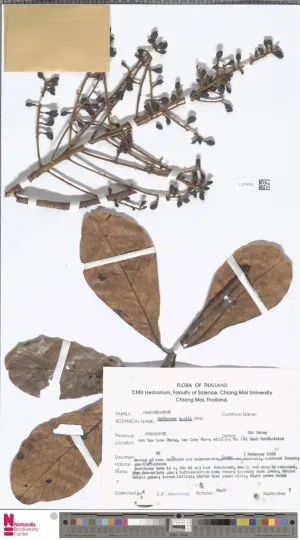
Description
Growing requirements
Holigarna kurzii is a notable tree species belonging to the Anacardiaceae family, primarily native to the dense tropical forests of Southeast Asia, including Myanmar. This species is highly adapted to humid tropical environments where it forms a significant component of the local forest structure.
The botanical architecture of this tree consists of a robust canopy and a deep, spreading root system. It thrives in well-drained, nutrient-rich alluvial soils that support its rapid growth during the intense monsoon seasons characteristic of its native habitat.
Climatic requirements are strict: the tree demands constant high temperatures and humidity levels throughout the year. It does not possess adaptations for dormancy and requires a steady moisture supply to maintain its physiological functions and prevent wilting.
In terms of agricultural management, young Holigarna kurzii plants require protection from direct, intense sunlight, often provided through nursery shading or intercropping with taller cover species. Soil preparation should focus on structural integrity to ensure deep root penetration.
Economically, the species is valued for its timber, which is utilized in local construction and carpentry. The wood characteristics make it a viable resource for sustainable tropical forestry projects when managed according to strict silvicultural guidelines.
Main diseases and pests
The primary threats include boring insects that target the cambium and inner wood layers. Integrated pest management strategies, focusing on habitat maintenance and the removal of severely infested trees, are essential to preserve the health of a plantation.
Root rot, often caused by fungal pathogens in waterlogged soils, is a major concern. Implementing effective drainage systems and maintaining optimal soil aeration are the most effective preventative measures for this type of agricultural problem.
Competition from vines, epiphytes, and other invasive flora can suppress the development of young trees. Regular manual clearing and pruning are necessary to ensure that the primary crop has access to sufficient light and soil nutrients.
Bacterial diseases can occasionally cause lesions or trunk cankers, particularly in dense stands with poor air circulation. Proper spacing between trees is crucial to reduce the incidence and spread of such airborne or contact-based infections.
Regular field scouting is recommended to monitor for insect outbreaks. By keeping the trees healthy through appropriate fertilization and site management, the natural resistance of the species to various pathogens is significantly improved.